Explore our top-tier custom fabricated industrial racking systems engineered to optimize vertical space utilization, payload configurations, and overall supply chain throughput.
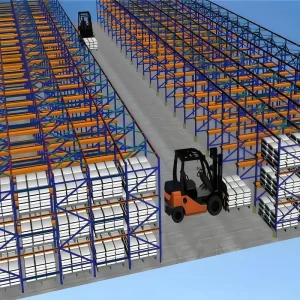
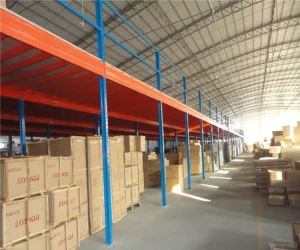
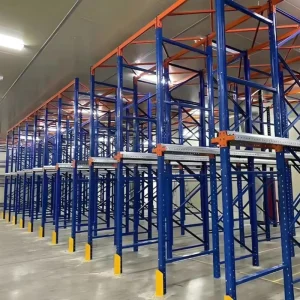
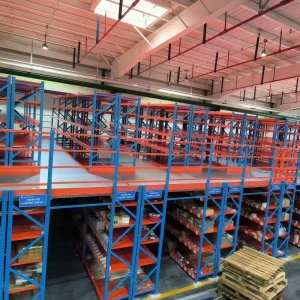
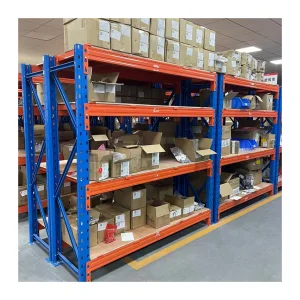
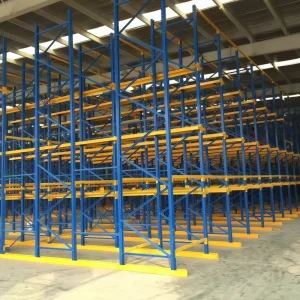
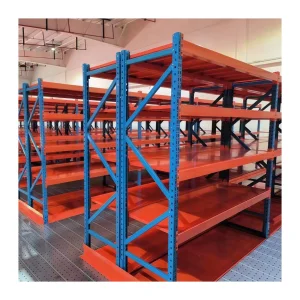
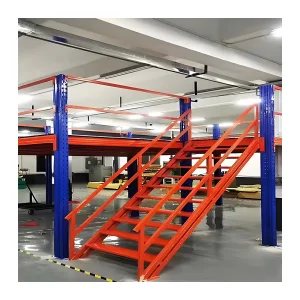
Analyzing the shifts in physical supply chain architecture, modern industrial real estate pressures, and the role of heavy-duty versatile racking systems.
In the contemporary global trade economy, industrial real estate pricing and construction lag times have elevated vertical space optimization from a cost-saving measure to a core strategic necessity. The expansion of global e-commerce, the implementation of localized buffer stock strategies in response to supply chain fragmentation, and the growing integration of semi-automated retrieval systems require a complete shift in warehouse architectural planning. Versatile racking systems serve as the structural framework for these operations, providing the load capacity, system flexibility, and mechanical durability needed to support high-density logistics.
"Modern warehouses are no longer static repositories for inventory; they function as active, high-velocity distribution hubs where cubic volume efficiency directly correlates with bottom-line profitability."
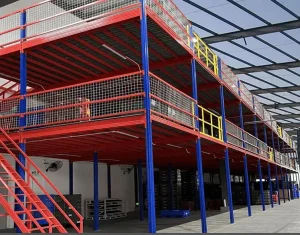
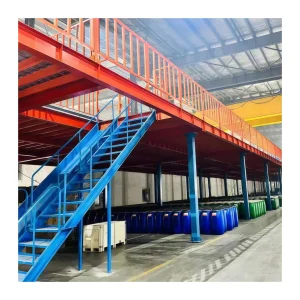
This dynamic transition is visible across all major industrial regions. In North America and Western Europe, land availability constraints near major shipping ports have accelerated the demand for high-bay racking and multi-tier mezzanine floors. These systems double or triple the usable footprint without requiring construction expansion. In high-growth regions like Southeast Asia, rapid infrastructure development and the rise of local cold-chain logistics have highlighted the importance of versatile, corrosion-resistant, and seismically engineered storage racks. Selecting a manufacturing partner with the engineering capacity to customize racking systems to these localized stresses is critical for securing safe and compliant industrial facilities.
How high-quality raw materials are transformed into certified, load-bearing storage systems through precise manufacturing control.
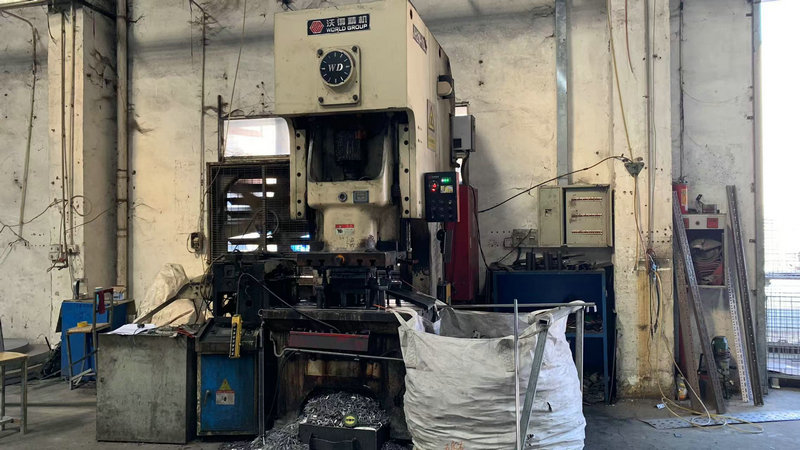
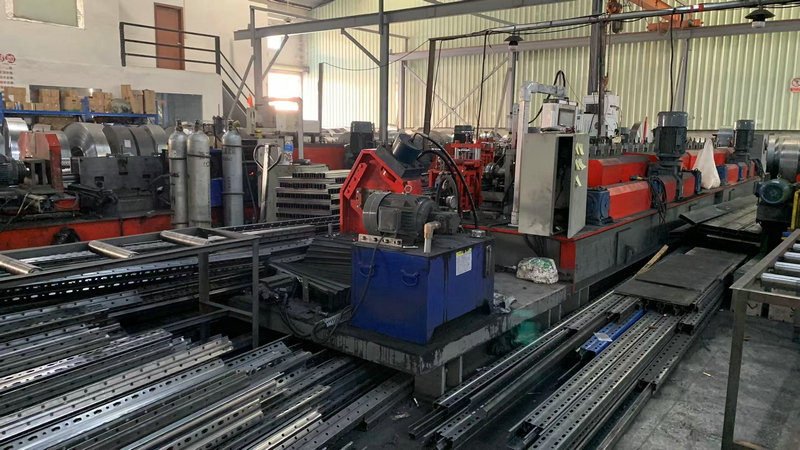
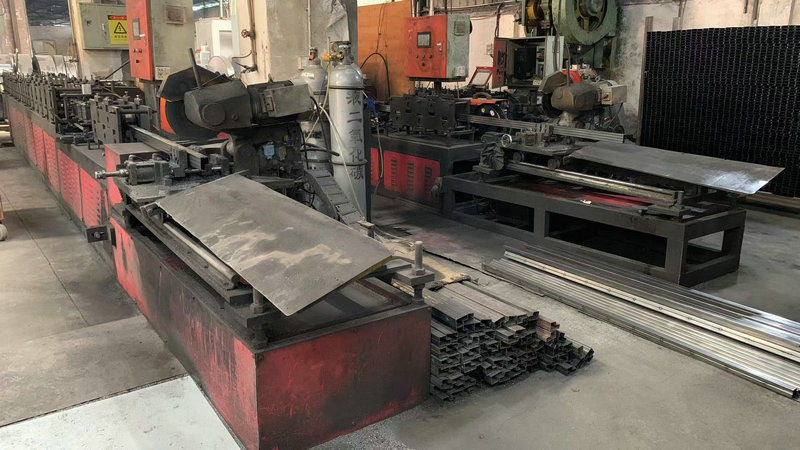
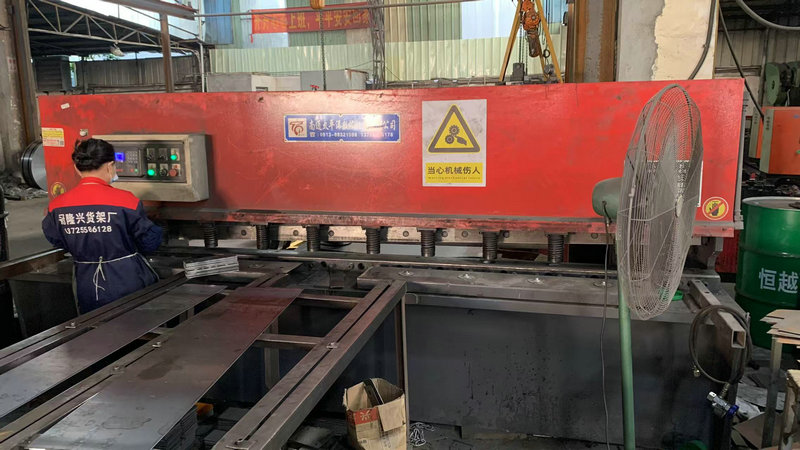
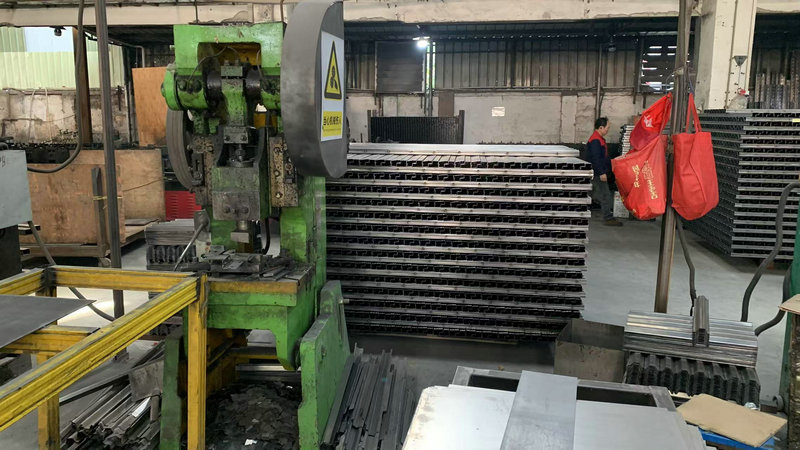
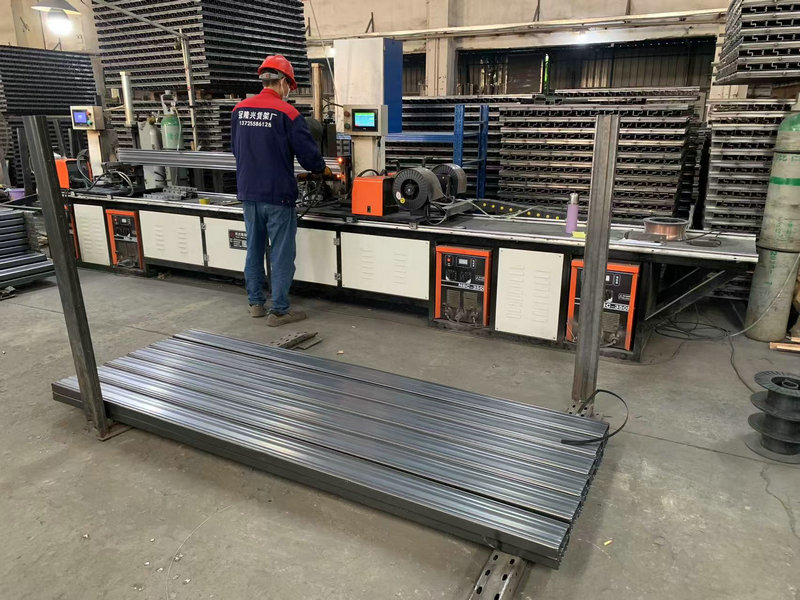
Guangdong Guanlongxing Storage Equipment Co., Ltd. (Guanlong Rack) integrates complete product design, structural engineering, advanced metallurgy, and strict quality control within our 28,600 m² production facility. Founded in 2017, we utilize advanced structural steel grades (such as Q235B and Q355B) to ensure our vertical frames and horizontal beams offer high safety factors and long-term durability. Our manufacturing pipeline utilizes automated cold-rolling and precision punching lines to achieve tight dimensional tolerances—a critical requirement for mezzanine platforms and automated storage and retrieval systems (ASRS) compatibility.
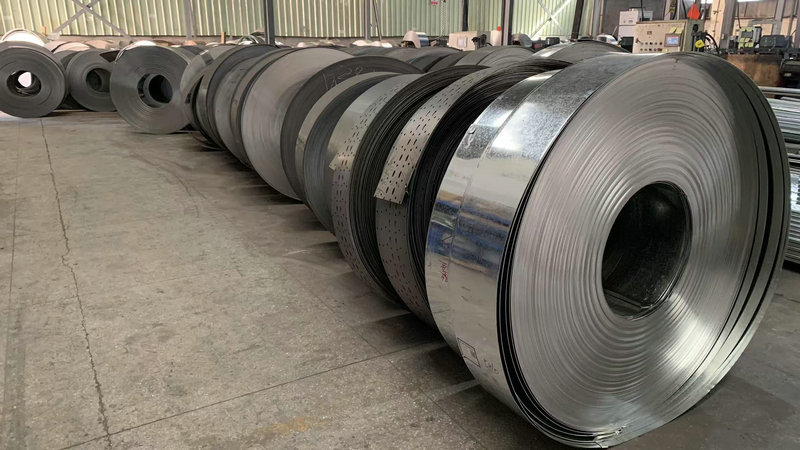
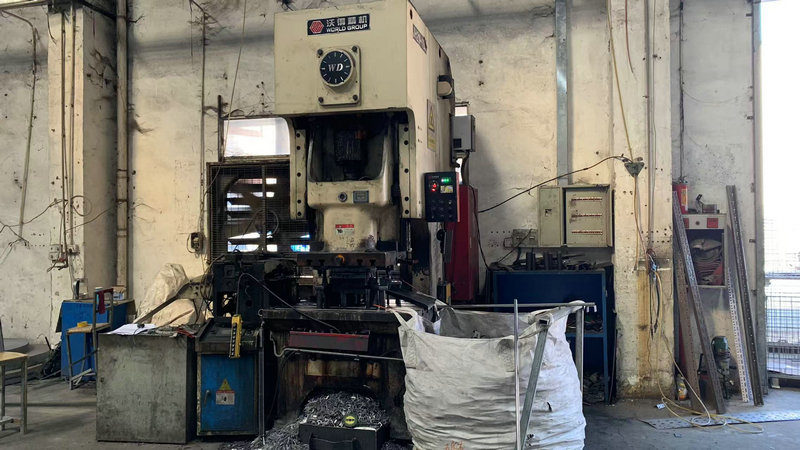
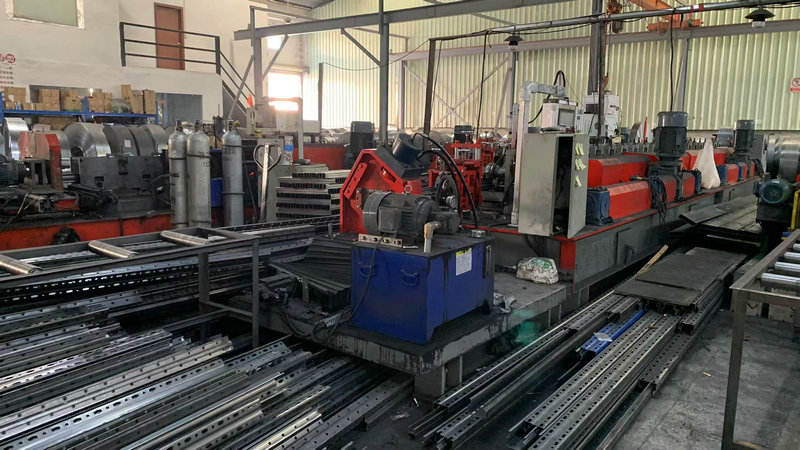
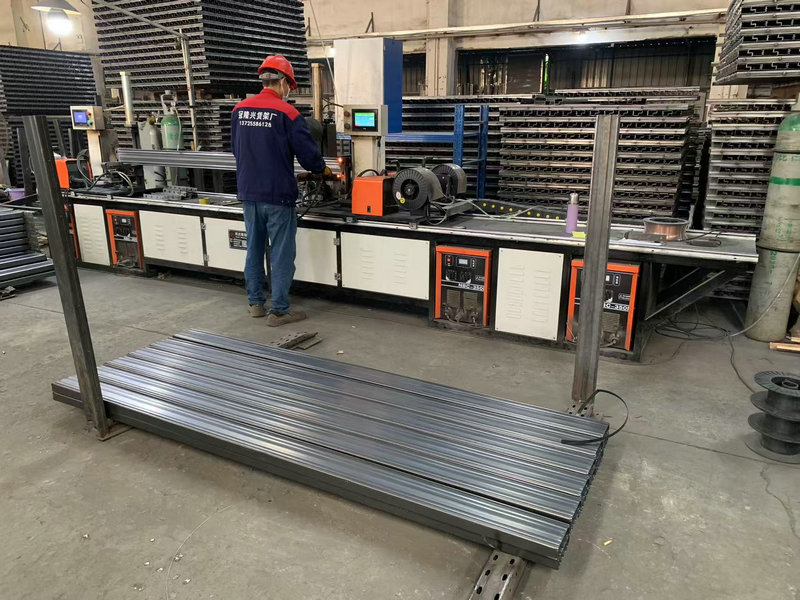
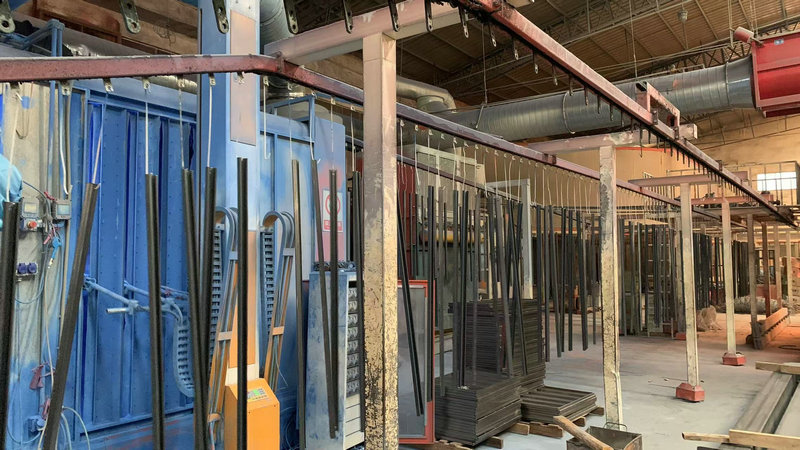
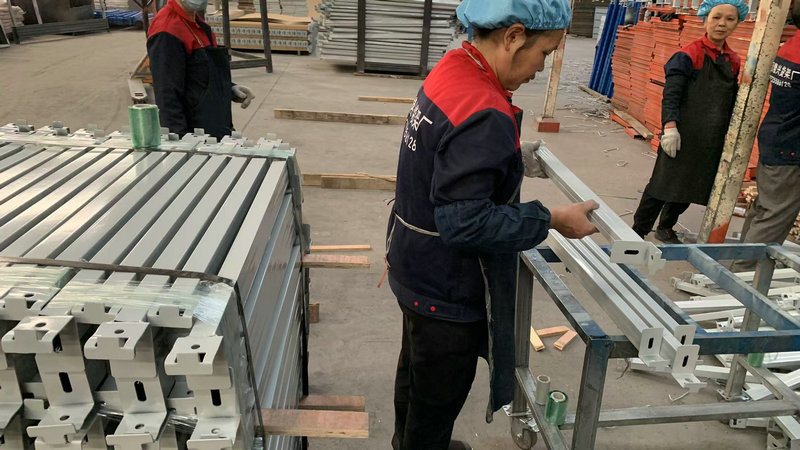
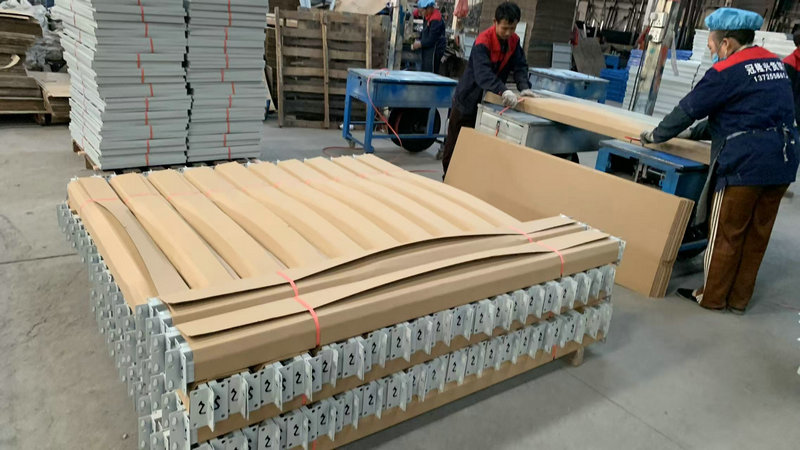
Each step in our manufacturing flow is monitored by a team of 46 quality control inspectors. Our testing protocols include real-world load capacity testing, micro-level dimensional verification, weld integrity testing, and powder coating adhesion tests. This systematic approach ensures that every custom OEM pallet racking system or prefab mezzanine floor exported meets international structural safety standards.
Understanding regional code compliance (RMI, EN 15512, AS4084) is a non-negotiable step in structural warehouse engineering.
Exporting heavy-duty industrial racking requires a deep understanding of regional structural and safety codes. Industrial warehouse systems must withstand dynamic vertical forces, seismic hazards, and warehouse environments. Guanlong Rack ensures that all custom engineering projects comply with localized building codes and safety regulations.
In the North American market, our systems are engineered to align with the Rack Manufacturers Institute (RMI) standards (specifically MH16.1), incorporating calculated safety factors for structural steel design and physical floor anchorage. For European projects, our systems comply with EN 15512 (Steel static storage systems – Adjustable pallet racking systems – Principles for structural design) and EN 15620 for dimensional tolerances. Additionally, we customize systems to meet the Australian AS 4084 standard, ensuring that our systems withstand regional seismic parameters and loading cycles.
Conforms to AISI cold-formed steel requirements, including robust frame anchorage, column guards, and load safety labels.
Evaluates limit-state design principles, incorporating semi-rigid beam-to-column connection stiffness tests for stable load distribution.
Engineered for seismic performance, localized wind load guidelines, and high-frequency warehouse applications.
Our engineering department conducts structural calculations utilizing finite element method (FEM) modeling to simulate physical strain, seismic impact, and load profiles. We supply customized loading plans, structural layout calculations, and certified manufacturing drawings, ensuring smooth permitting and approvals from regional code compliance agencies.
How dynamic design maximizes throughput, inventory control, and space efficiency in diverse warehouse environments.
Modern industrial supply chains require customized warehouse storage systems. A standard, one-size-fits-all racking system often results in underutilized space or structural safety risks. By designing custom solutions for specific facility heights, lift equipment capabilities, and inventory flow rates, Guanlong Rack optimizes every cubic meter of storage volume.
"Optimizing your warehouse layout involves balancing accessibility, storage density, and load capacity to match your operational speed."
Exploring the integration of IoT, AMR automation, and sustainable materials in the next generation of logistics infrastructure.
The industrial warehousing sector is rapidly evolving, driven by automation, automated storage and retrieval systems (ASRS), and smart logistics technology. Racking systems are transitioning from passive steel frames into precision-engineered components of automated networks. These advanced setups require tight manufacturing tolerances, as even millimeter-scale variations can disrupt automated crane or shuttle systems.
Guanlong Rack is at the forefront of this shift, investing in advanced automated production lines and testing equipment. Our R&D engineers focus on developing racking solutions that integrate seamlessly with Autonomous Mobile Robots (AMRs) and automated shuttles. We are also optimizing structural steel formulations to reduce dead weight while maintaining maximum load capacity. Furthermore, we are refining our powder-coating formulations to create wear-resistant surfaces that withstand high-speed automated transport cycles, reducing maintenance requirements and extending system service life.
Answering critical engineering, logistical, and design questions for logistics managers and purchasing procurement officers.
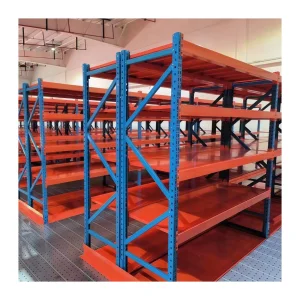
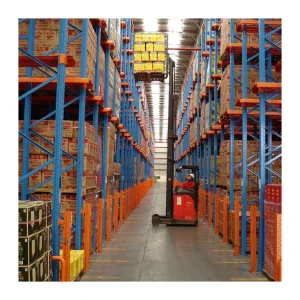
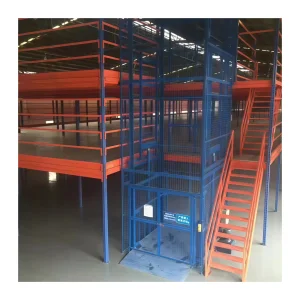
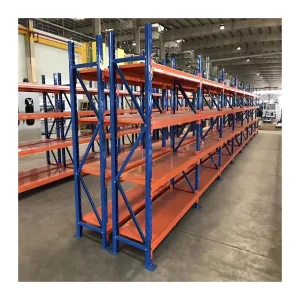
Explore our custom mezzanine platforms, heavy-duty industrial shelves, and material handling systems engineered for modern logistics facilities.
 Guanlong Rack