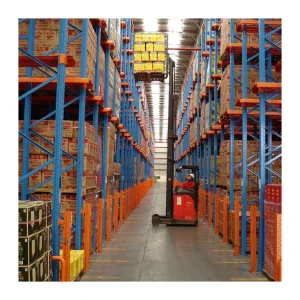
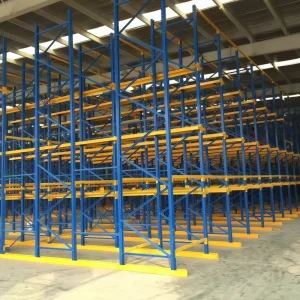
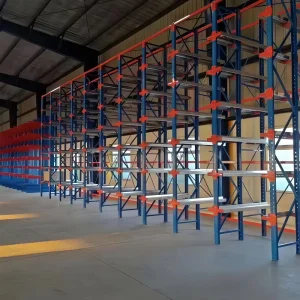
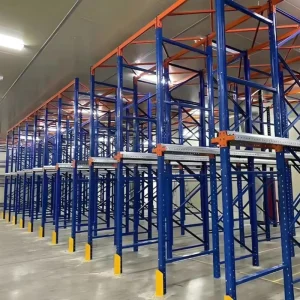
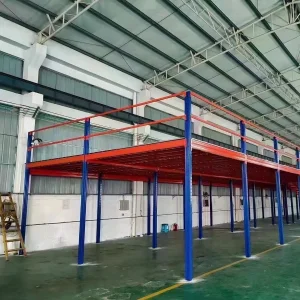
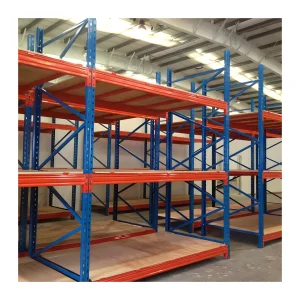
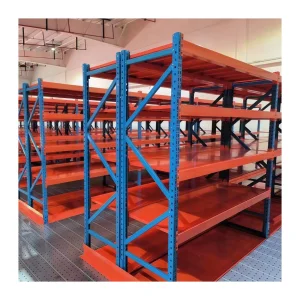
In the modern logistics landscape, the "Drive-in Rack Factory & Exporters" sector has evolved from providing simple steel structures to engineering sophisticated, high-density storage ecosystems. As global land costs rise and "Cold Chain" logistics expand, the Drive-in system (LIFO - Last-In, First-Out) has become the gold standard for high-volume, low-SKU storage. This whitepaper explores how Guangdong Guanlongxing Storage Equipment Co., Ltd. is redefining these standards through AI-driven design and structural integrity.
Guangdong Guanlongxing Storage Equipment Co., Ltd. is a professional manufacturer specializing in warehouse storage racks, industrial shelving systems, and customized storage solutions. Since 2017, we have been committed to delivering reliable, cost-effective equipment for warehouses and distribution centers worldwide.
Operating from a modern manufacturing facility covering 28,600 m², Guanlong Rack integrates design, engineering, and quality control under one roof. We ensure consistent quality and flexible customization for projects of all sizes.
With over 9 years of industry experience and 6 years of export experience, we have built partnerships across Europe, North America, Southeast Asia, Australia, and the Middle East, with annual export revenue exceeding US$18 million.
Modern Drive-in racks are no longer standalone. We are seeing a massive shift toward Pallet Shuttle Systems—a hybrid approach where automated carts move pallets within the drive-in tunnels, increasing safety and throughput speeds by 40%.
Energy costs in refrigerated warehouses are astronomical. Drive-in racks maximize air circulation efficiency and storage density, reducing the "cooling cost per pallet" significantly. Our factory specializes in steel grades that maintain ductility at sub-zero temperatures.
Exporters are now demanded to provide "Green Credentials." We utilize powder coating processes that are 100% lead-free and recyclable steel components, aligning with global ESG (Environmental, Social, and Governance) mandates.
How we transform raw steel into high-capacity racking systems.
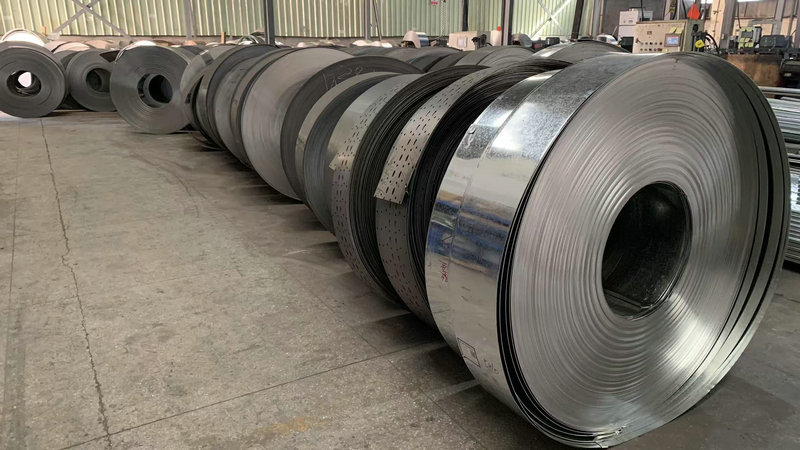 Step 1: Raw Material
High-grade Q235/Q355 steel selection.
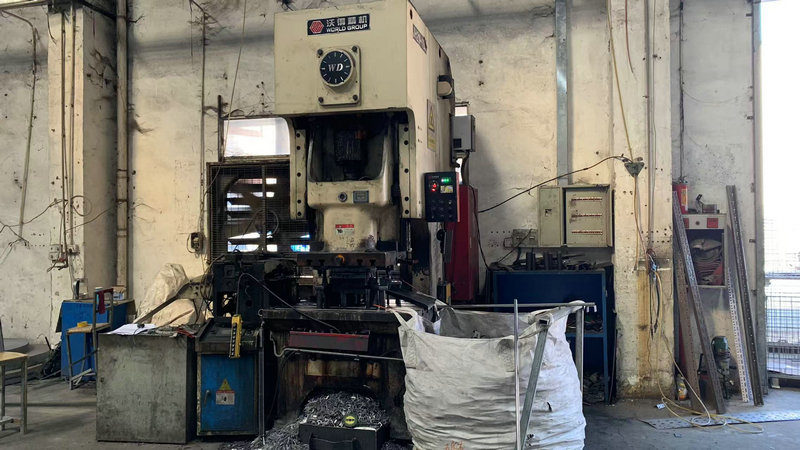 Step 2: CNC Punching
Precise hole alignment for beam adjustability.
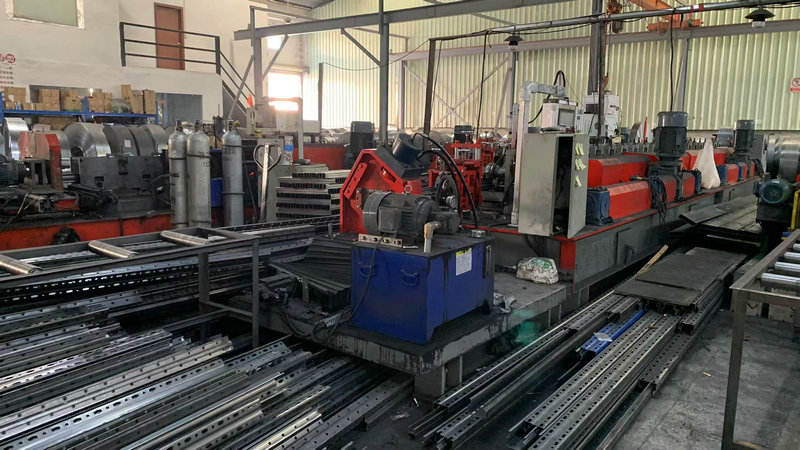 Step 3: Cold Rolling
Automated profile shaping for structural strength.
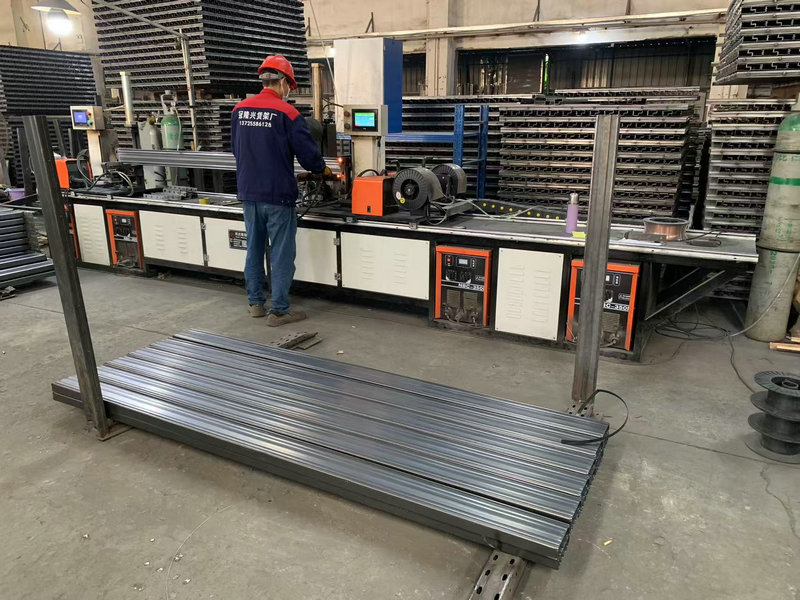 Step 4: Spot Welding
Robot-assisted welding for flawless joints.
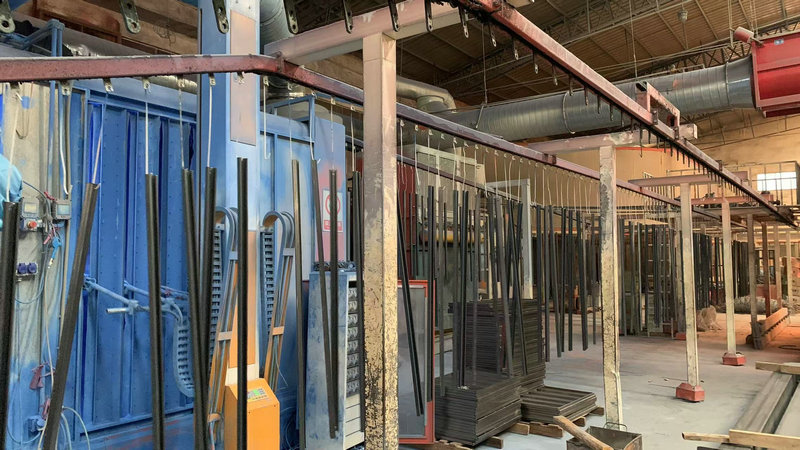 Step 5: Powder Coating
Electrostatic spray for corrosion resistance.
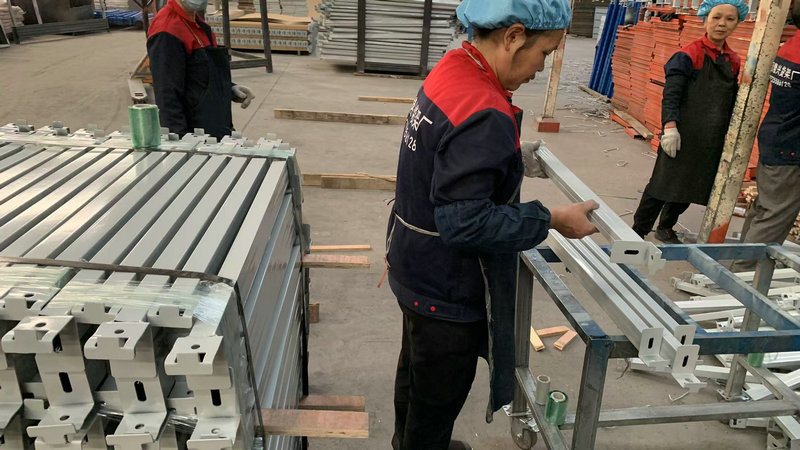 Step 6: QC Inspection
Load testing by our team of 46 experts.
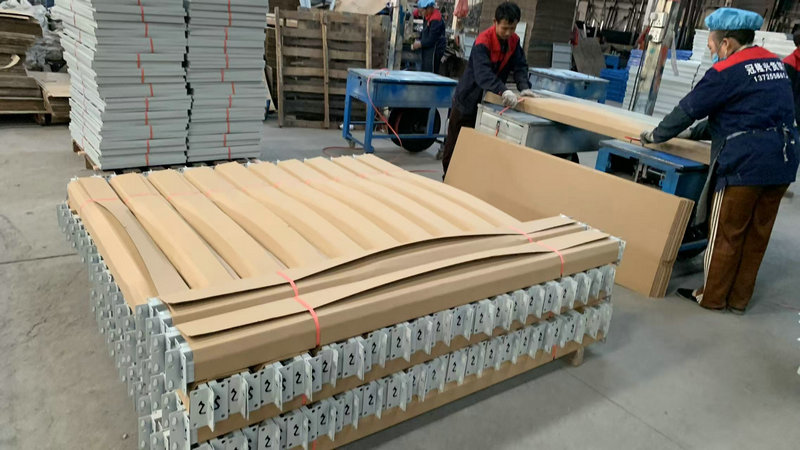 Step 7: Pro Packing
Secured for long-haul international shipping.
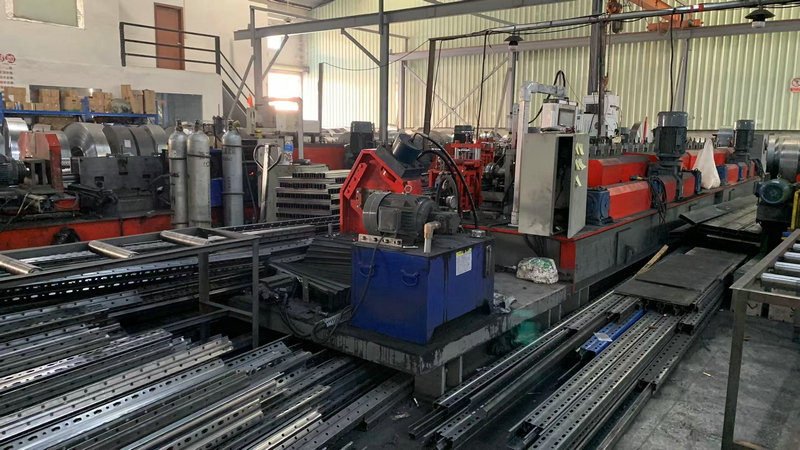 Advanced Machinery
Automated Cold Rolling production lines.
Enterprise buyers are no longer looking for "cheap steel." They require Finite Element Analysis (FEA) reports to ensure seismic compliance in regions like Chile, Japan, or the USA (RMI standards).
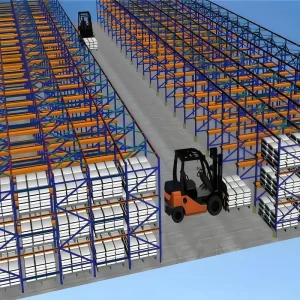
Drive-in racks require precise forklift clearances. Our 62 engineers provide CAD and 3D simulations to prevent rack-and-truck collisions, a primary concern for warehouse managers.
Every shipment we export adheres to ISO 9001 and CE certifications. Our local support ensures that the installation meets OSHA and local safety codes, providing peace of mind for the importer.
The roadmap for 2025-2030 involves "Digital Twin" technology. By embedding sensors in the rack uprights, we can monitor structural stress in real-time, alerting operators to potential damage from forklift impacts before a failure occurs. Our R&D department introduced 136 new products last year, many of which are modular designs that allow for easy expansion as businesses grow.
As a leading Drive-in Rack Factory, we are transitioning from a manufacturer to a "Storage Intelligence Partner," offering end-to-end consulting from layout design to final inspection.
Drive-in racking uses a single entry/exit point (LIFO), whereas Drive-through racking allows access from both sides (FIFO). Drive-in is more efficient for high-density storage where turnover is handled in batches.
We employ 46 dedicated QC inspectors who perform load capacity testing, dimensional checks, and powder coating adhesion tests on every batch. All our products meet international standards before they leave the factory.
Yes. Our engineering team designs the rail height and aisle width specifically based on your forklift's specifications and the pallet dimensions used in your industry.
Depending on the complexity and volume, production usually takes 20-30 days. Our 28,600 m² facility allows us to handle large-scale orders simultaneously without compromising quality.
We offer specialized structural designs for seismic zones, utilizing reinforced uprights and base plates to meet local safety regulations in different global regions.
 Guanlong Rack