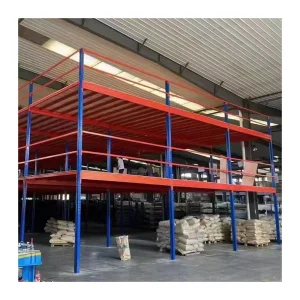
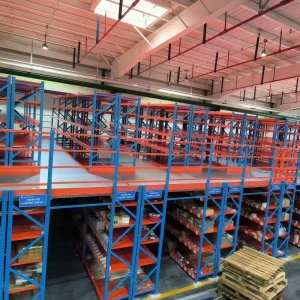
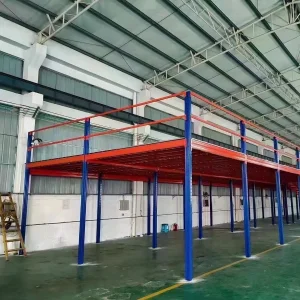
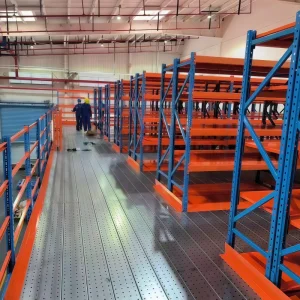
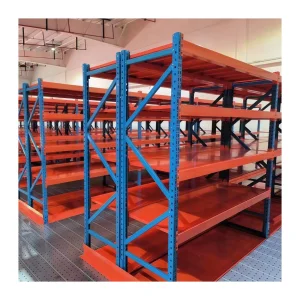
In the era of hyper-globalized logistics, supply chain volatility, and soaring commercial real estate prices, industrial entities are facing an unprecedented challenge: maximizing space efficiency without expanding their physical footprint. Expanding outwards is often cost-prohibitive or structurally impossible. The solution lies in vertical scaling—a paradigm shift driven by high-engineering mezzanine floor systems.
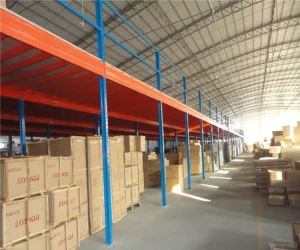
Convert underutilized vertical headspace into functional, multi-tier workspaces, effectively doubling or tripling floor capacity without structural facility expansions.
Avoid relocation costs, high new construction rents, and lengthy permitting cycles. Mezzanine platforms deliver rapid ROI through pre-engineered components.
Seamlessly integrate automation equipment, material lifts, pick-to-belt lines, and heavy storage arrays dynamically adapted to changing demand profiles.
Modern industrial operations require mezzanine systems to be far more than static platforms. Driven by technological evolution and supply chain optimization, several key trends have emerged:
Modern platforms are engineered to handle dynamic loads from Autonomous Mobile Robots (AMRs) and Automated Guided Vehicles (AGVs). This requires higher deck stiffness, precise deflection control (L/500 or tighter), and specialized electrostatic dissipative (ESD) finishes.
Off-site manufacturing of steel members, columns, and decking allows for rapid, bolt-together installation on-site. Minimizing hot-work (welding) ensures high safety, clean installation, and negligible disruptions to existing facility operations.
With aggressive global ESG mandates, manufacturers are turning to high-tensile, lightweight cold-formed steel profiles. Demountable and modular designs ensure platforms can be relocated, reshaped, or recycled, drastically lowering life-cycle carbon footprints.
Established in 2017, Guangdong Guanlongxing Storage Equipment Co., Ltd. (operating under the global brand Guanlong Rack) has emerged as an authoritative leader in the engineering, design, and mass-scale fabrication of industrial storage racks and mezzanine systems. By integrating advanced raw material processing with intelligent structural calculations, Guanlong Rack delivers premium structural integrity tailored to international standards.
Our research and development team consists of 62 dedicated engineers specializing in finite element analysis (FEA), seismic calculation, and localized building code compliance. In the past year alone, we developed and launched 136 custom products tailored to clients globally.
With a comprehensive QC department of 46 inspectors, every batch of steel is tracked from raw receipt to final loading. Testing standards cover tensile testing, weld penetration depth audits, coating thickness, and heavy deflection simulations.
We provide full-service customization for heavy-duty platforms, shelf-supported layouts, multi-tier picking structures, and architectural integration, backing projects across North America, Europe, Australia, and Southeast Asia.
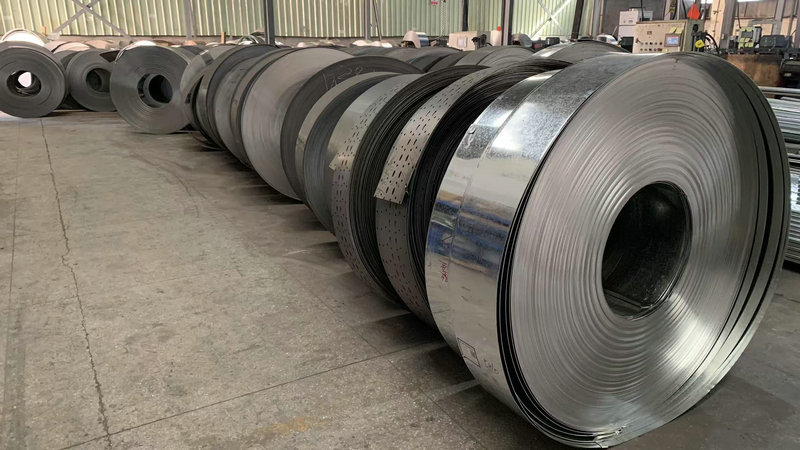
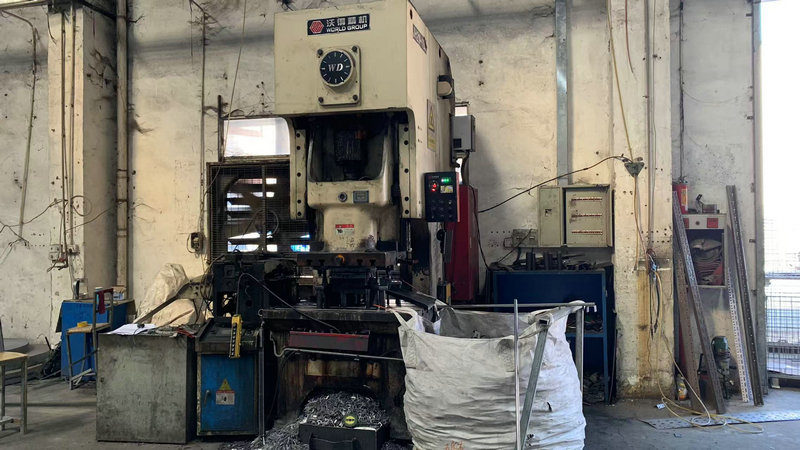
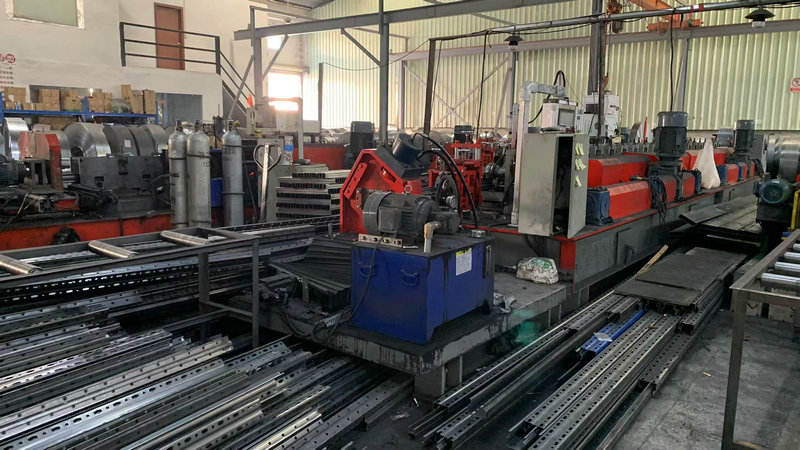
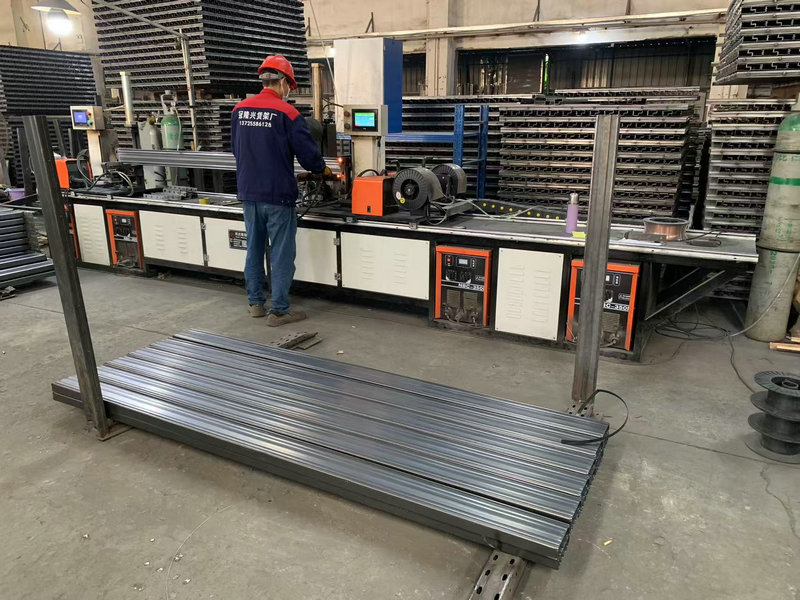
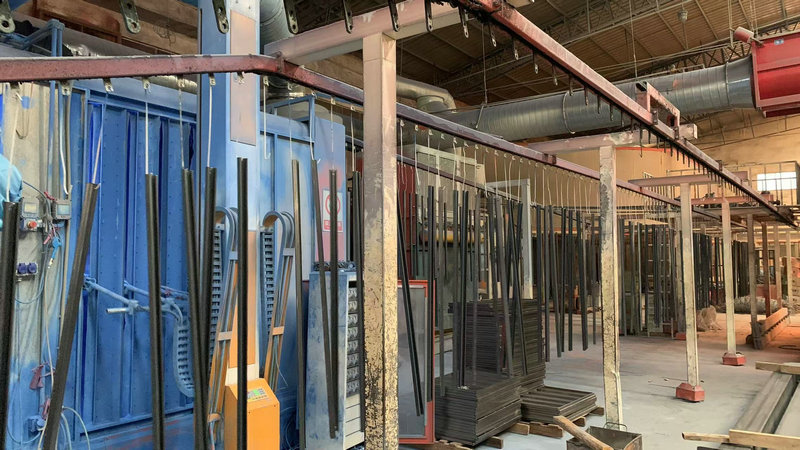
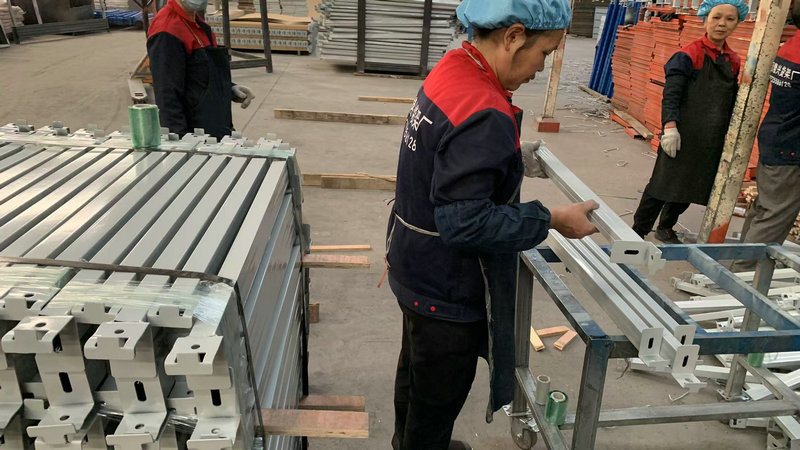
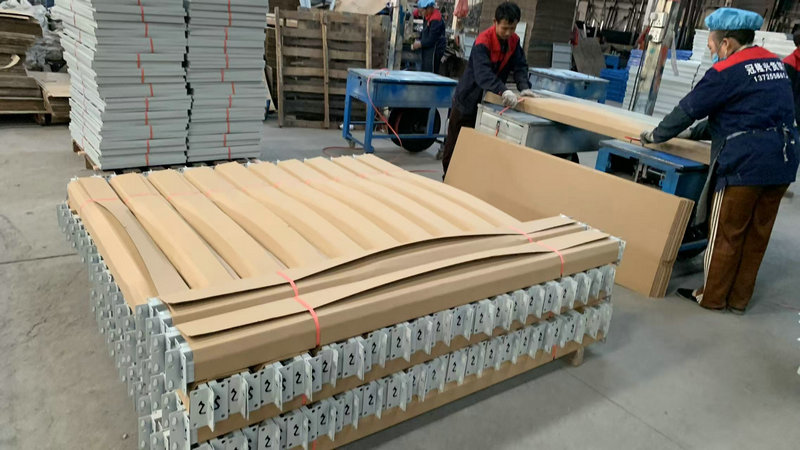
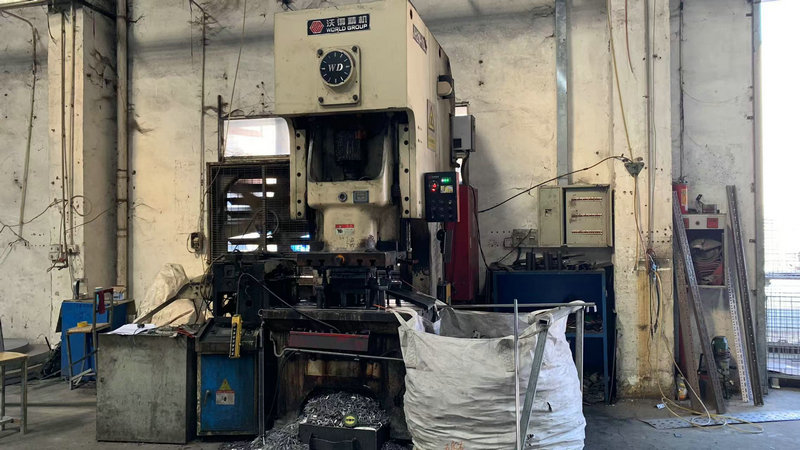
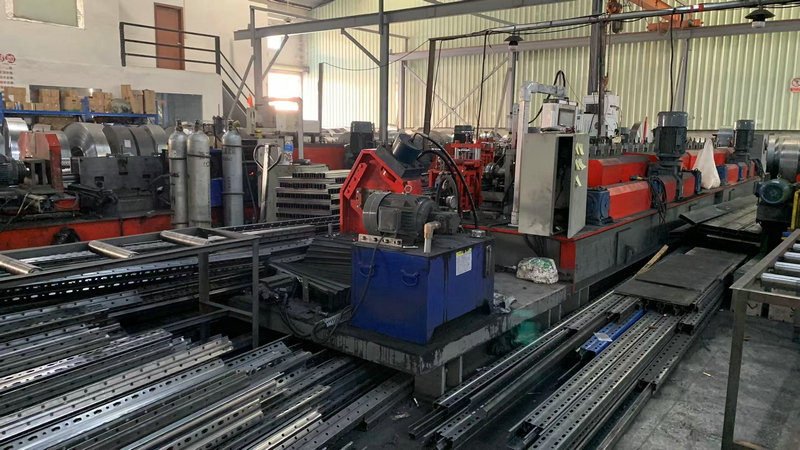
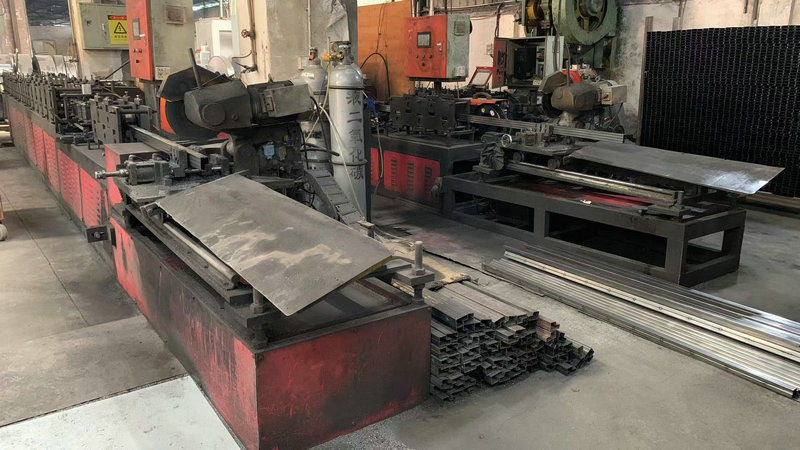
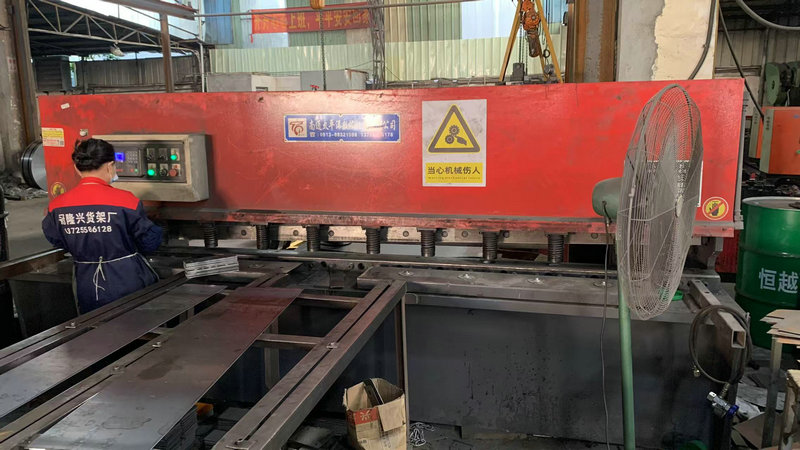
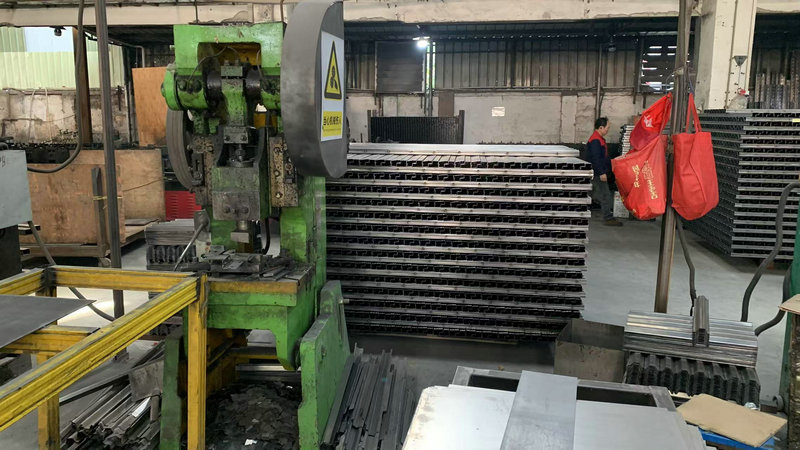
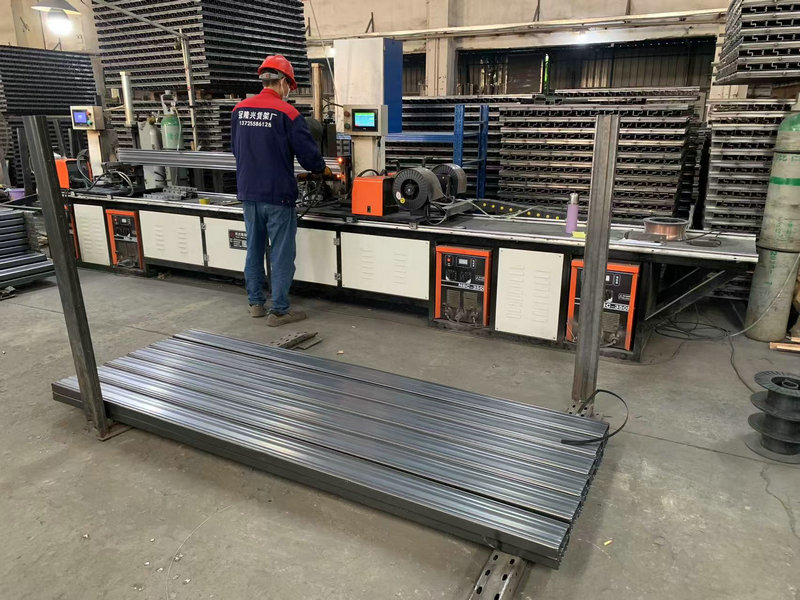
The structural integrity of a heavy-duty steel mezzanine relies on high-grade fabrication. Below is an engineering overview of Guanlong Rack's workflow and state-of-the-art machinery pool, illustrating the production sequence from cold-rolled steel coils to powder-coated, installation-ready structural elements.
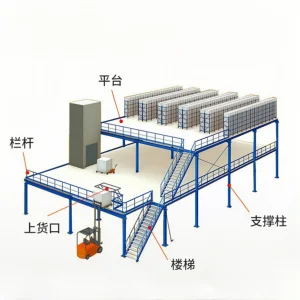
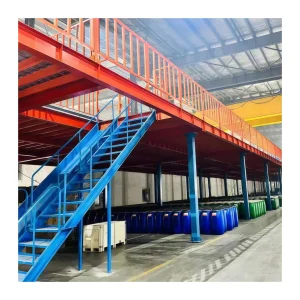
Mezzanines are structurally distinct. Design methodologies differ drastically based on the warehouse's core use-case.
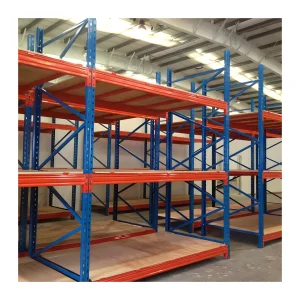
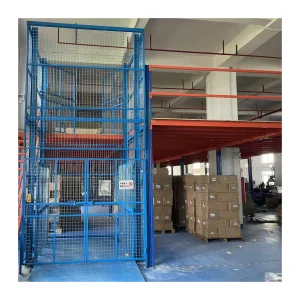
Designed as multi-tier rack-supported platforms utilizing longspan shelving. Integrates vertical reciprocating conveyors (VRCs), slide chutes, and pick-to-light lanes to maximize SKU availability and outbound logistics rates.
Engineered using hot-rolled structural steel columns (H-sections) and robust primary beams. Load capacities range from 1,000 to 2,000+ kg/m² to support heavy manufacturing gear, HVAC systems, and production lines.
Utilizing high-tensile steel grades (like Q355B) optimized for low-temperature environments to prevent embrittlement. Features open steel grating decks to ensure efficient airflow and sprinkler activation.
Procuring storage solutions globally requires adherence to localized building regulations. High-performance engineering protects facilities from catastrophic structural failure, especially under seismic loading.
Custom designs calculating localized acceleration factors in line with ASCE 7, FEMA, and Australian AS4084 guidelines, integrating robust baseplates, tie-bars, and brace configurations to absorb horizontal kinetic energy.
Adherence to AISC specifications in the USA, EN 1993 Eurocode design methods in Europe, and ISO 9001:2015 quality processes to ensure consistent material standards and predictable performance under stress.
Standard incorporation of egress layouts, integrated kickplates, handrail systems meeting OSHA/IBC requirements, and perforated decking boards to guarantee clean water flow from automatic sprinkler networks.
The future of industrial storage is green, modular, and smart. At Guanlong Rack, we are mapping the future of steel space utilization via:
Integrating fiber-optic or piezoelectric strain gauges directly into critical beams. Real-time telemetry detects overloading, structural fatigue, or abnormal deflections, alerting facilities beforehand.
Evaluating high-strength low-alloy (HSLA) steel configurations to reduce structural weight by 20% while retaining structural limits, optimizing floor loading of the concrete slab below.
Leveraging CAD & BIM files inside digital twin programs to simulate picking paths, forklift speeds, and weight distribution, maximizing productivity before shipping a single steel beam.
 Guanlong Rack