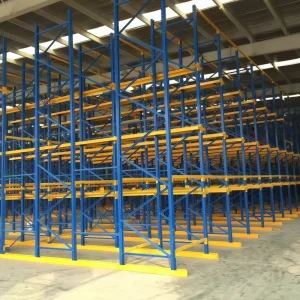
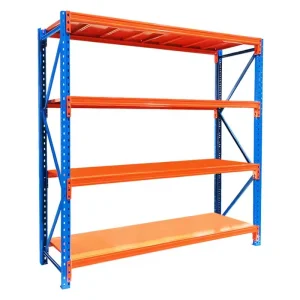
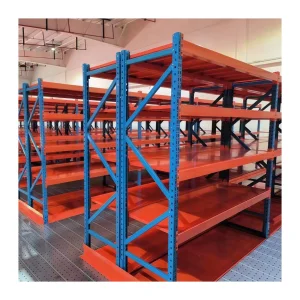
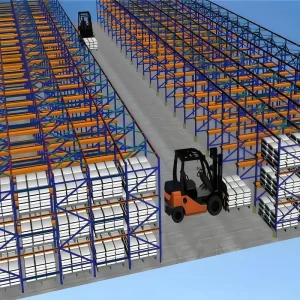
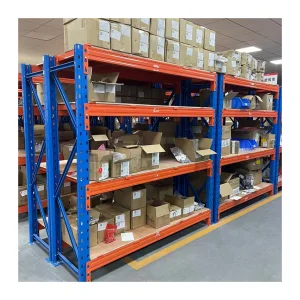
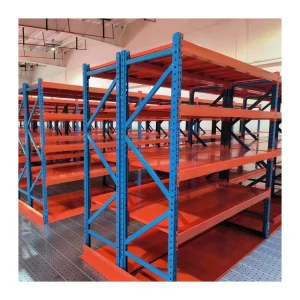
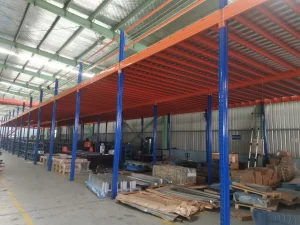
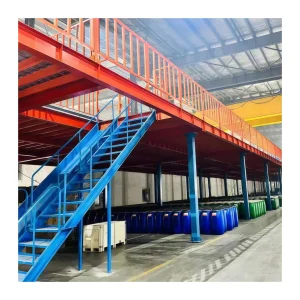
Engineered for Maximum Vertical Space Efficiency and Structural Integrity
In the contemporary landscape of global logistics, the demand for high-density load-bearing solutions has transitioned from a luxury to a fundamental necessity. As urban land prices escalate and e-commerce fulfillment cycles compress, enterprises across North America, Europe, and Southeast Asia are seeking "vertical growth" strategies. The global warehousing market is no longer just about shelving; it is about structural engineering integrated with robotic automation.
Modern load-bearing systems are now designed to support more than just static weight. They are engineered to accommodate dynamic loads from AMRs (Autonomous Mobile Robots), seismic vibrations in active zones, and the concentrated point loads of high-reach forklift operations. Our research indicates that a 20% increase in vertical space utilization can reduce operational overhead by up to 15% annually.
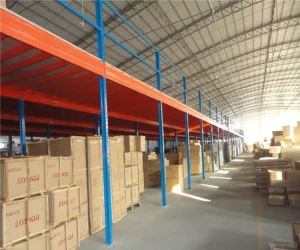
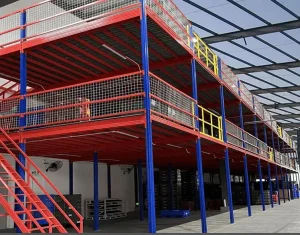
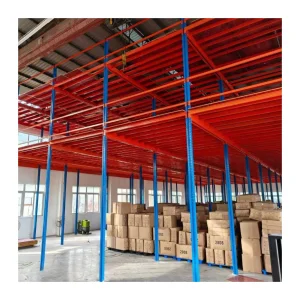
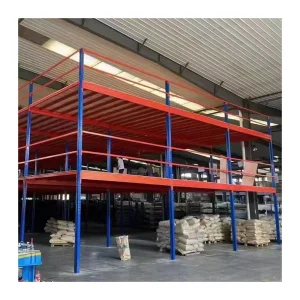
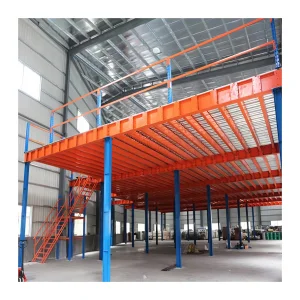
With the rise of 3PL providers, mezzanines provide the necessary multi-level picking areas to handle SKU proliferation without expanding the building footprint.
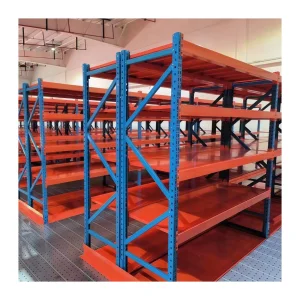
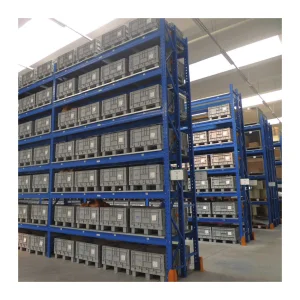
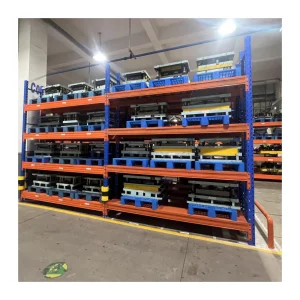
Specialized racking for heavy EV batteries and complex component storage requires high-tensile steel (Q355B) and precision manufacturing.
Load-bearing solutions in refrigerated environments must withstand thermal contraction while maintaining structural integrity to protect perishable assets.
Since 2017, Guangdong Guanlongxing Storage Equipment Co., Ltd. has redefined the standards of industrial storage. Operating out of a 28,600 m² state-of-the-art facility, we leverage China's unparalleled supply chain efficiency to deliver premium solutions at scale.
With 46 dedicated QC inspectors and 62 R&D engineers, we ensure that every beam and upright meets international safety standards before it leaves our loading docks.
Last year alone, we introduced 136 new products. We don't just sell racks; we design bespoke ecosystems tailored to your specific warehouse height, floor load, and SKU profile.
Exporting over US$18 million annually to Europe, the Middle East, and Australia, we understand the regulatory and seismic requirements of different regions.
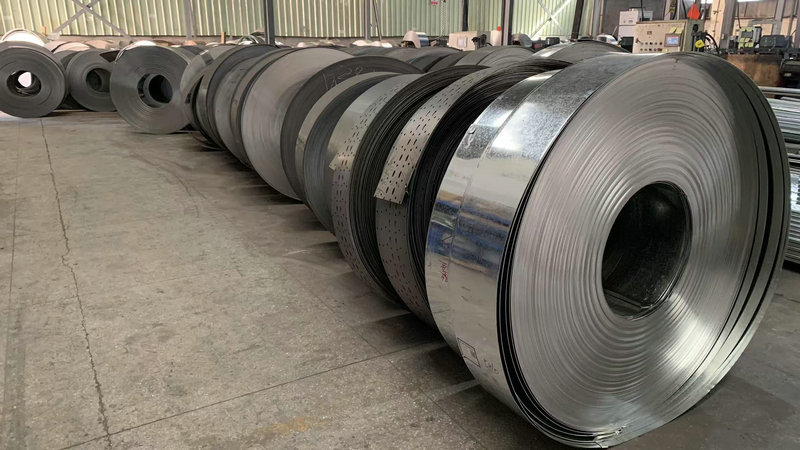 Raw Material Selection
High-grade Q235B/Q355B steel for maximum durability.
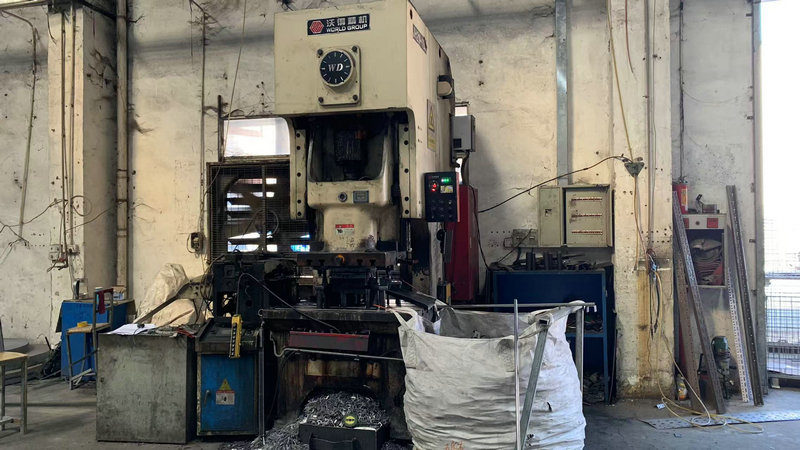 Precision Punching
Automated CNC punching for perfect alignment.
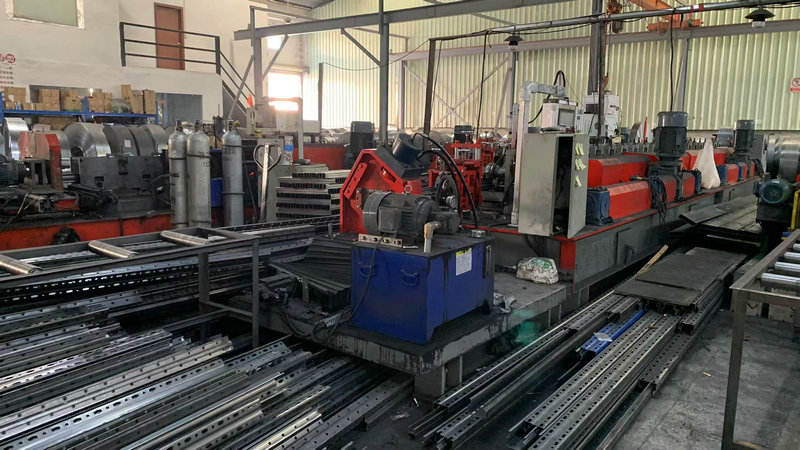 Advanced Cold Rolling
Uniform structural profiles for high load capacity.
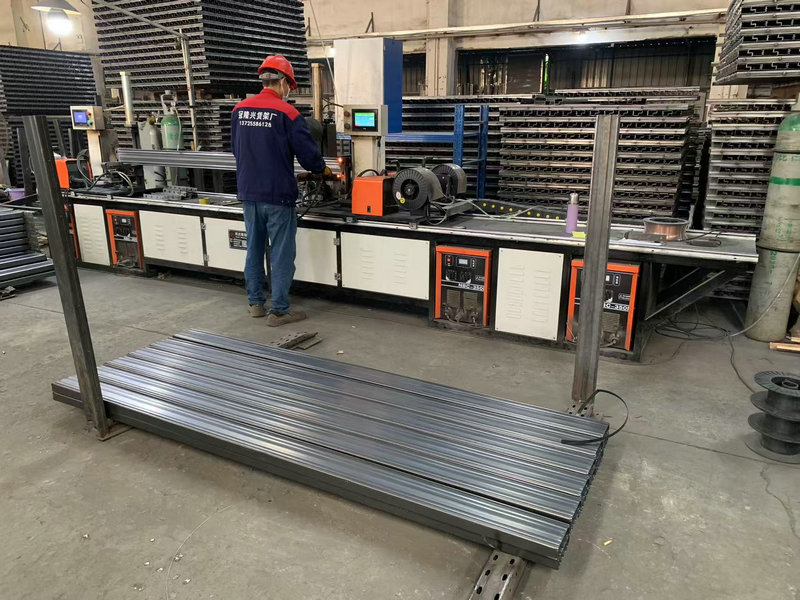 Robotic Spot Welding
High-integrity joints ensuring structural safety.
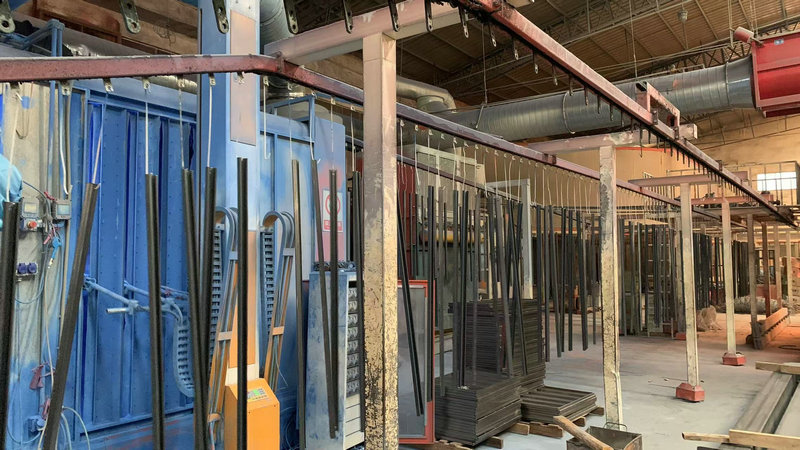 Powder Coating
Electrostatic finish for anti-corrosion and aesthetics.
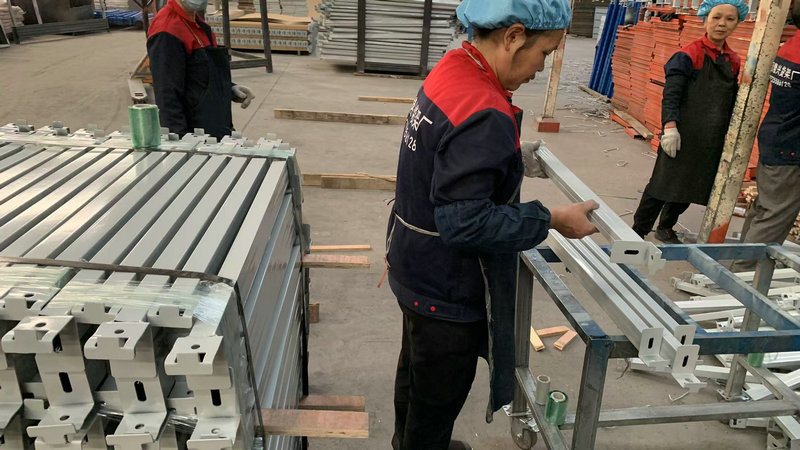 Rigorous Inspection
Load capacity and dimensional accuracy testing.
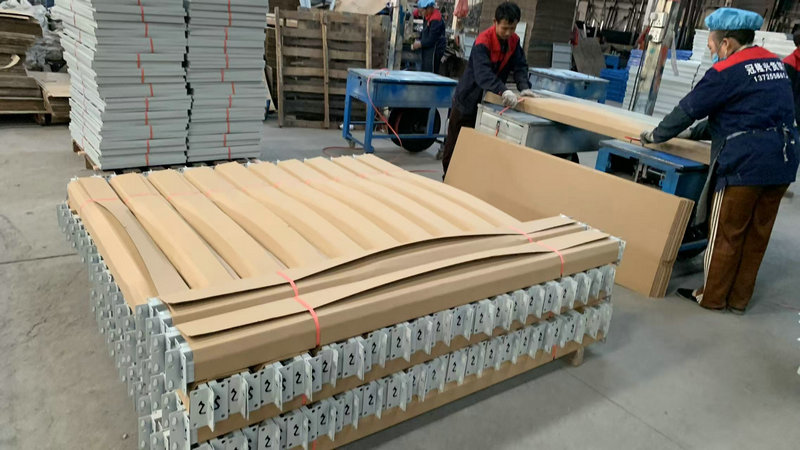 Secure Packing
Export-grade packaging for international transit.
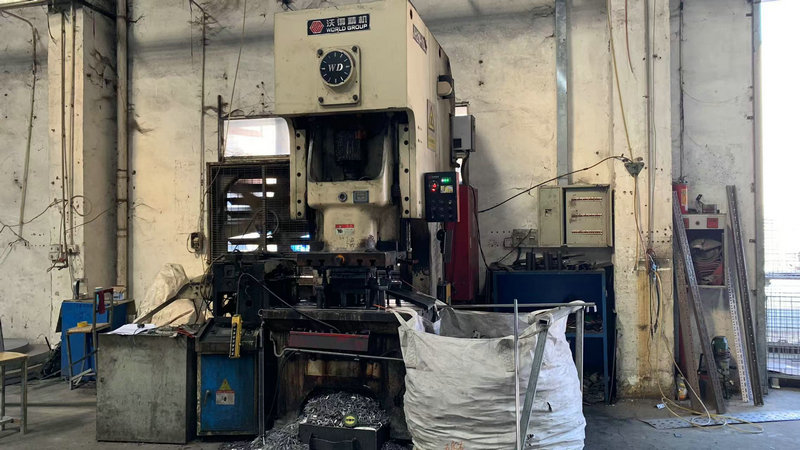 Production Machinery
High-capacity machines for large-scale orders.
As a leading exporter, we track the shift from traditional racking to "Smart Mezzanines." The future involves integrating IoT sensors into racking systems to monitor load distribution and structural fatigue in real-time. Procurement managers today prioritize Total Cost of Ownership (TCO) over initial price—focusing on ease of assembly, modularity for future expansion, and long-term durability.
Using recyclable steel and low-VOC powder coatings to meet global ESG (Environmental, Social, and Governance) targets.
Adherence to FEM 10.2.02 and SEMA standards, ensuring the highest level of operator safety in the workplace.
Systems that can be relocated or reconfigured as business needs change, providing maximum investment protection.
A: Capacity is determined by the gauge of steel, the span between columns, and the type of flooring (e.g., steel grating vs. plywood). Our engineers calculate "Live Loads" (personnel/equipment) and "Dead Loads" (the structure itself) to ensure a safety factor of at least 1.5x.
A: We conduct rigorous 46-point inspections including ultrasonic welding tests and salt spray tests for coatings. Each batch is issued a quality certificate before shipping.
A: Absolutely. Our mezzanine floors can be designed with reinforced point-loading capacity and specific surface finishes required for optimal robot traction and navigation.
A: Depending on the complexity, our efficient production lines allow us to complete manufacturing within 15-25 days, with another 2-4 weeks for global shipping.
 Guanlong Rack