Custom OEM Integrated Logistics Supplier & Suppliers

High-Density Warehousing Infrastructure & Heavy-Duty Structural Storage Systems Designed for Next-Generation Logistics Hubs

28,600m² Modern Facility
9+ Years Logistics Expertise
$18M+ Annual Export Revenue
46 Inspectors Dedicated QC Team
62 Engineers Active R&D Staff

1. The Global Landscape of Integrated Logistics & Structural Steel Warehousing

In an era defined by rapid digitization, volatile supply chains, and the relentless rise of omnichannel fulfillment, integrated logistics infrastructure has evolved from a passive utility into a primary strategic driver of corporate profitability. Warehousing systems are no longer simple enclosures containing metal shelves; they are highly engineered nodes that interface directly with automated guided vehicles (AGVs), autonomous mobile robots (AMRs), high-speed conveyor matrices, and complex Warehouse Management Systems (WMS).

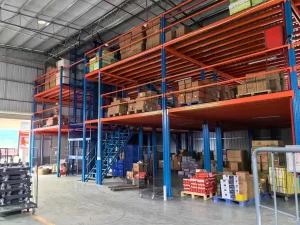
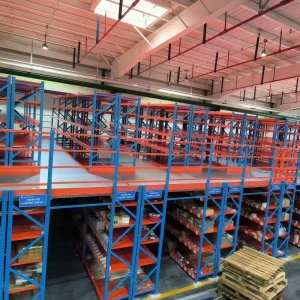
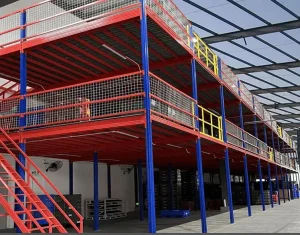
Globally, industrial spaces face the dual challenge of escalating real estate costs and shrinking municipal land availability. This has led to a paradigm shift toward vertical spatial utilization. As enterprises expand upward rather than outward, the mechanical demands on structural pallet racking, heavy-duty steel mezzanines, and multi-tier picking structures escalate dramatically. Structural integrity, seismic stability, and custom OEM manufacturing flexibility have become critical requisites for operators seeking to insulate their supply chains from disruption.

2. Structural Trends and Technological Roadmap in Heavy-Duty Warehousing

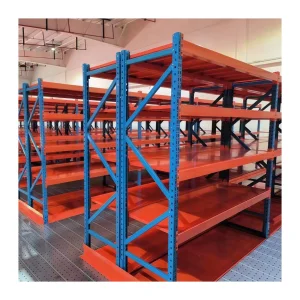
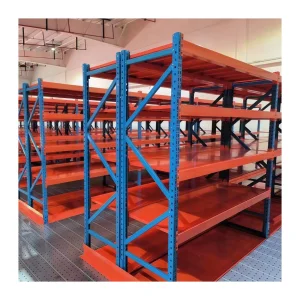
Modern supply chain operations require materials that support rapid cycle times and modular configurations. Guanlong Rack tracks and implements several key trends shape the technical roadmap of the industry:

High-Density Storage Optimisation

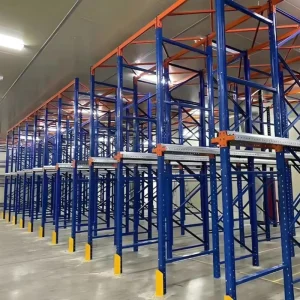
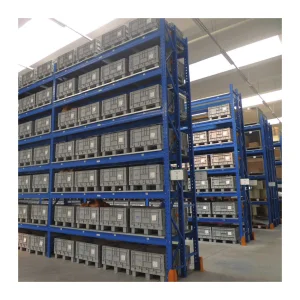
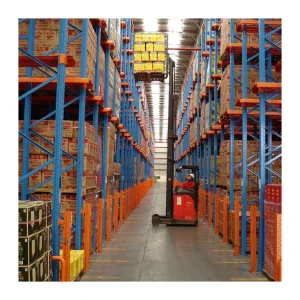
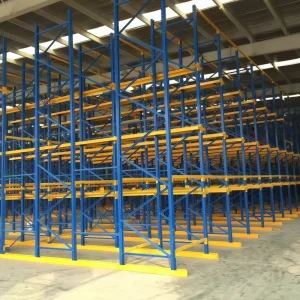
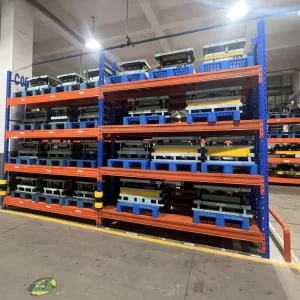
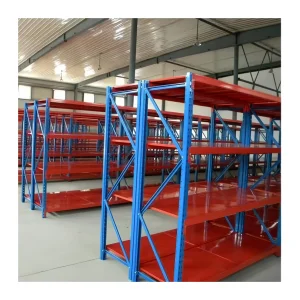
Utilising drive-in racking, push-back racking, and gravity flow systems to eliminate non-productive access aisles, boosting volumetric utilization by up to 85% compared to standard configurations.

Structural Hybridization

Integrating structural steel shapes (hot-rolled channels) with cold-formed components to achieve a cost-effective, high-capacity hybrid structural matrix capable of resisting high impact forces in heavy industrial environments.

Automation-Ready Platforms

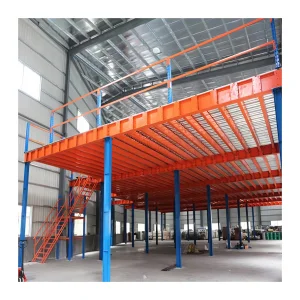
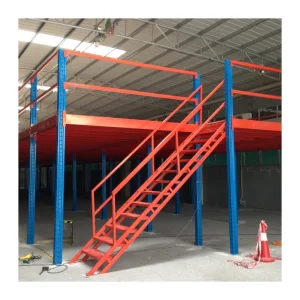
Engineering floor plates and structural columns on multi-tier mezzanine decks to support precise deflection tolerances required by high-speed AGVs and automated shuttle sorting mechanisms.

3. Localization & Regional Application Scenarios

Depending on geographic and industry-specific market characteristics, structural warehouse design varies to address unique localized demands:

  • European and North American Distribution Hubs: Heavily focused on compliance with strict regulatory bodies (such as RMI standards in the USA and EN 15512 codes in Europe). These regions require extensive seismic calculation models, high-grade electrostatic powder-coat finishes for low environmental VOC emissions, and integration with complex fire suppression systems (ESFR sprinklers) built into multi-tier mezzanines.
  • Southeast Asia and Middle East Logistics Nodes: Fast-growing commercial zones requiring rapid, modular deployment. Systems must resist ambient humidity (cold-room applications) or high temperatures. There is a strong demand for cost-efficient, boltless structural designs that allow quick installation with local assembly crews.
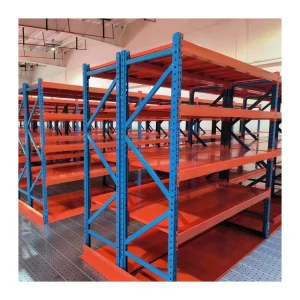
  • Automotive Parts Storage: Requiring customized, multi-tiered mezzanine floors engineered with dynamic shelf divisions to accommodate odd-shaped components (body panels, tires, transmissions) while maintaining absolute structural safety under concentrated loads.

4. Strategic OEM Solutions by Guangdong Guanlongxing Storage Equipment Co., Ltd.

As a primary Custom OEM Integrated Logistics Supplier, Guanlong Rack operates on a data-driven service delivery model. Founded in 2017, the company combines 9 years of structural storage design with 6 years of direct global export experience, delivering custom-engineered projects to over 980 global partners across Europe, North America, Southeast Asia, and the Middle East.

Our design philosophy begins with structural load-path analysis. Using advanced finite element analysis (FEA) software, our team of 62 R&D engineers designs racking frames that guarantee physical safety margins exceeding standard requirements. With an annual output supporting millions of dollars in logistics infrastructure, Guanlong Rack translates client requirements into highly specialized storage structures constructed with premium Chinese Q235B and Q355B structural steel.

5. End-to-End Production Process & Machinery Capabilities

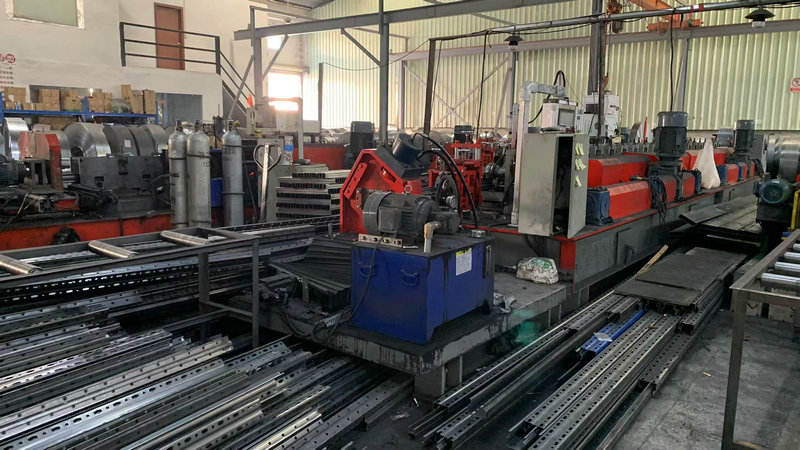
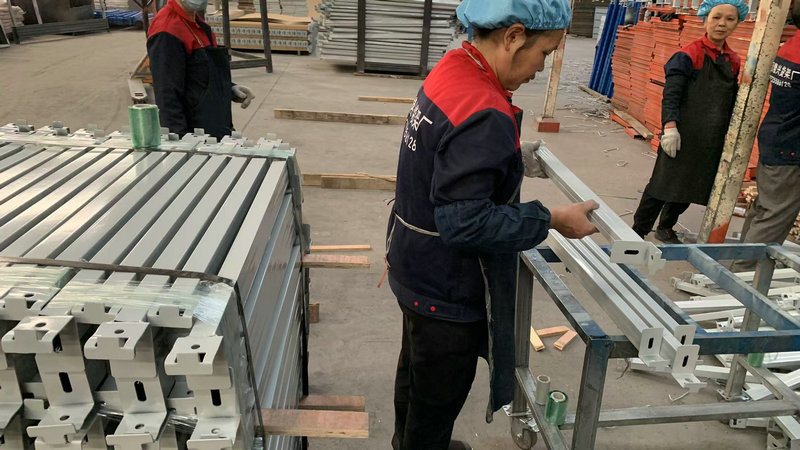
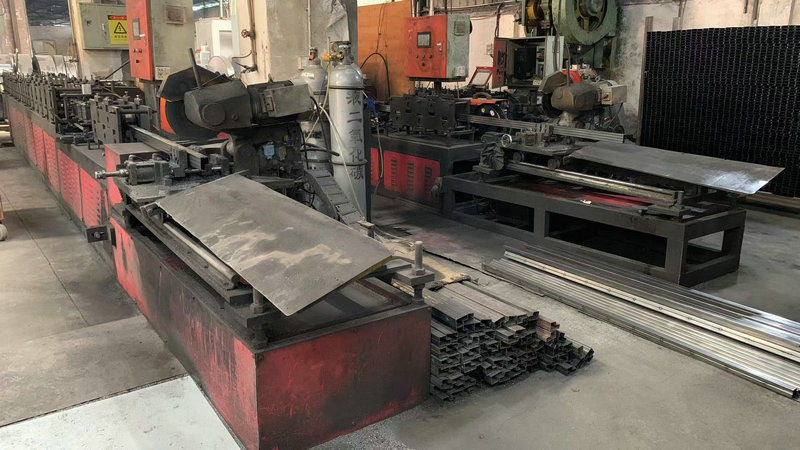
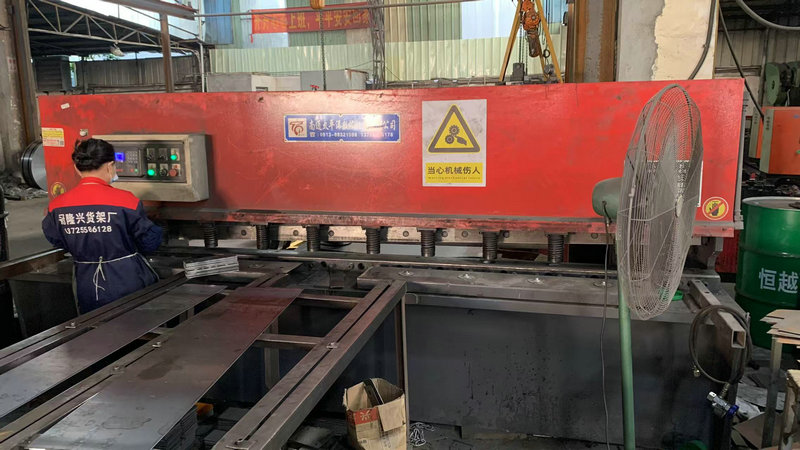
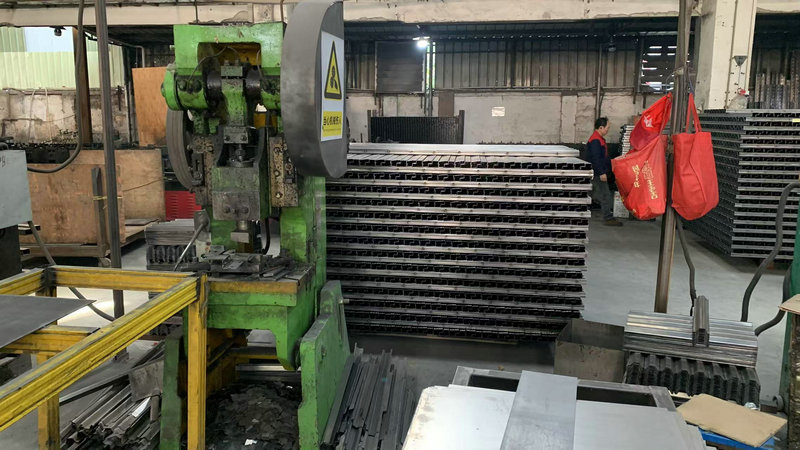
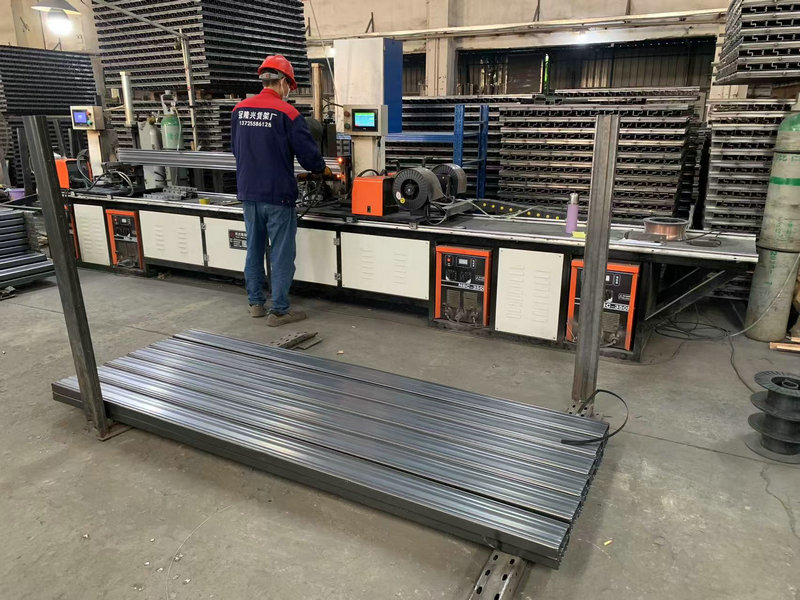
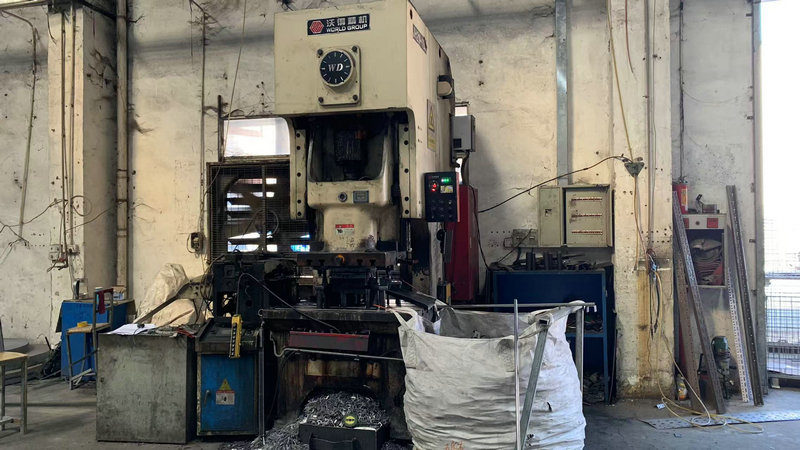
Quality control at Guanlong Rack is embedded directly into our automated production lines. Spanning a modern manufacturing footprint of 28,600 m², every production phase is subject to stringent verification by our 46 QC inspectors. Below is our step-by-step manufacturing workflow alongside our active industrial equipment list:
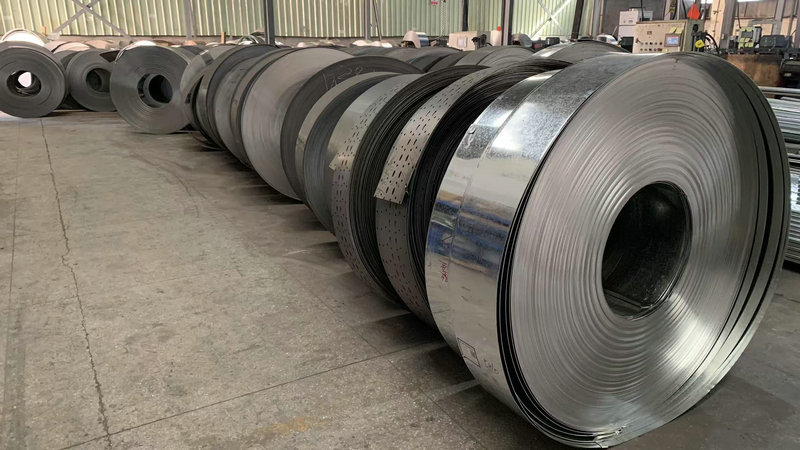
Raw Material Inspection
1. Raw Material
Precision Punching
2. Punching
Continuous Cold Rolling
3. Cold Rolling
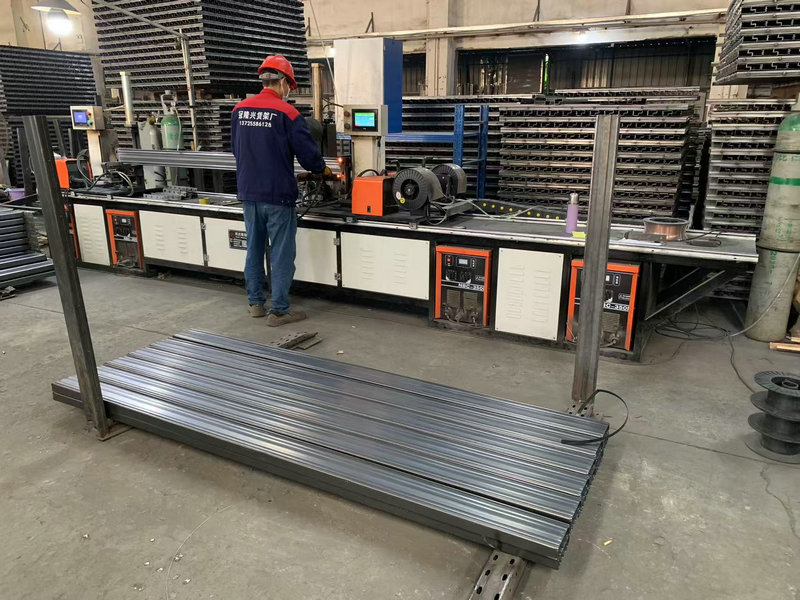
Automated Spot Welding
4. Spot Welding
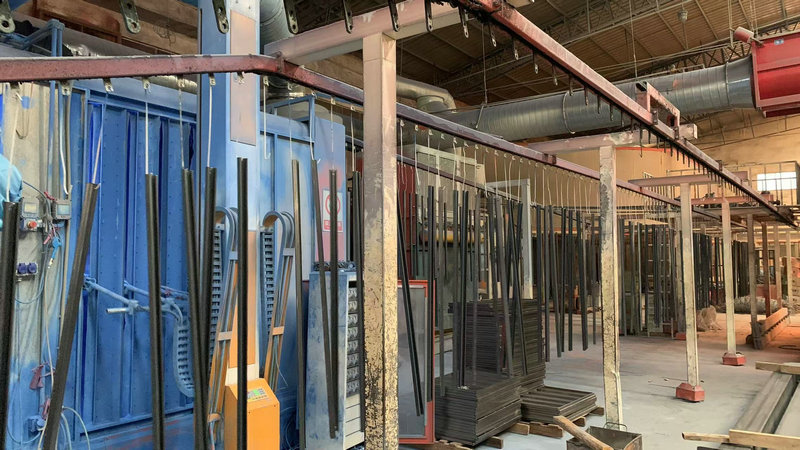
Electrostatic Powder Coating
5. Coating
Strict QC Load Testing
6. Inspection
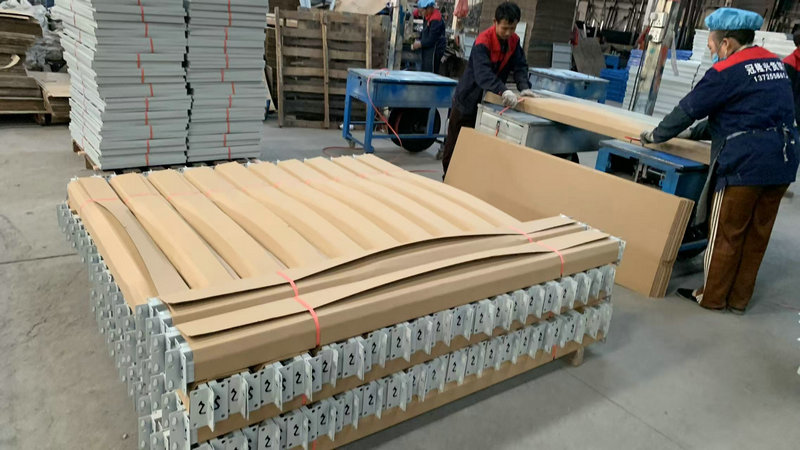
Heavy-duty Industrial Packing
7. Packing

Industrial Production Machinery Portfolio

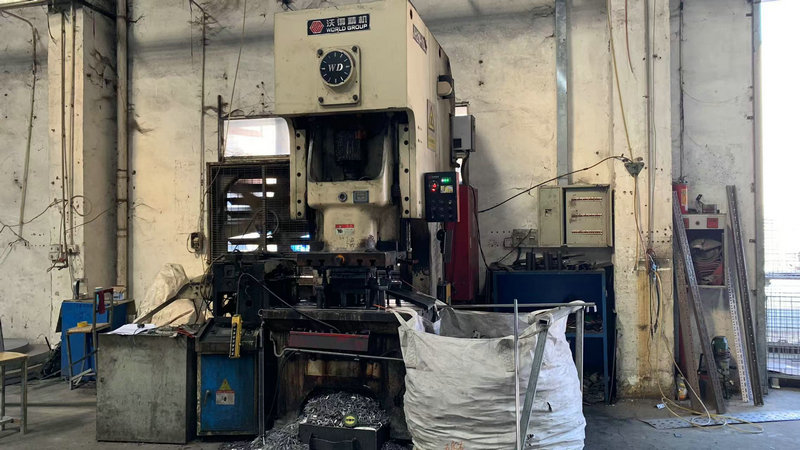
High-Speed Punching Machine
Punching Machine
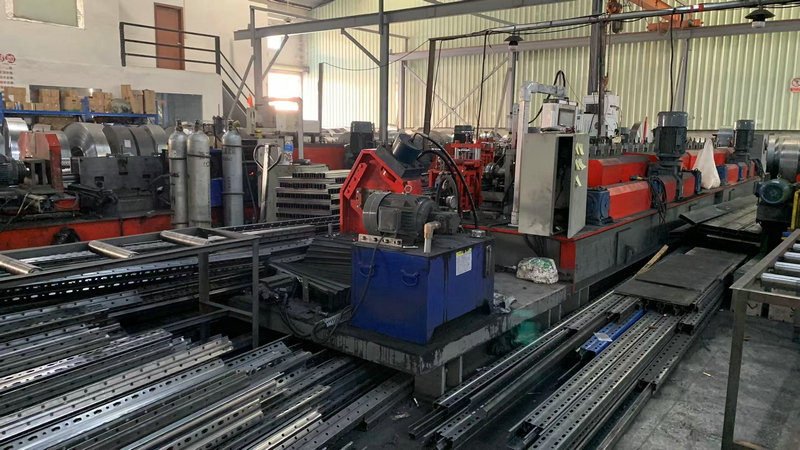
Heavy Profile Cold Rolling Mill
Cold Rolling Machine
Automated Profile Cold Rolling Unit
Cold Rolling Machine
Hydraulic Sheet Metal Bending Machine
Bending Machine
Secondary Punching Machine
Punching Machine
Multi-Spot Welder
Spot Welding Machine

Technical FAQ — Structural Warehouse Design

Key considerations for structural, chemical, and regional regulatory compliance in industrial rack design.

What steel grades and structural standards are used for OEM projects?
At Guanlong Rack, we primarily use high-grade Q235B and Q355B carbon steel. Our manufacturing processes, raw materials, and load calculations are structured to align with international regulatory guidelines. This includes the Rack Manufacturers Institute (RMI) standards in North America and FEM 10.2.02 standards across Europe. This guarantees consistent physical yield strengths and structural safety margins under full operational loads.
How does Guanlong Rack ensure seismic stability in high-density rack installations?
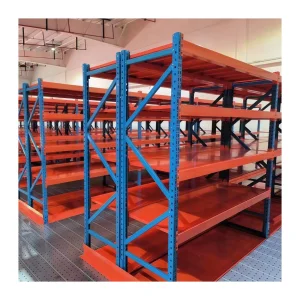
Our engineering team develops detailed load capacity designs, calculation reports, and finite element models based on the site-specific Seismic Design Category (SDC). By adjusting the profiles of upright frames, adding diagonal structural bracing, and utilizing oversized baseplates with heavy-duty anchor bolts, we design systems that safely transfer dynamic forces during seismic events.
Can Mezzanine Platform Systems support heavy dynamic loads from AGVs and AMRs?
Yes. Standard mezzanine platforms are designed primarily for static storage or light foot traffic. However, our custom OEM engineering services allow us to re-engineer steel structures, sub-beam spacings, and decking choices (such as high-density textured fiberboard, steel grating, or diamond plate overlays) to match the wheel load, structural frequency, and deflection tolerances required by industrial automated guide vehicles.
What quality checks are performed before the products leave the factory?
Our 46 QC inspectors perform checks at multiple stages: raw material verification, geometric check of punched upright patterns, weld penetration tests (NDT), coating thickness and adhesion cross-hatch tests, and actual load testing. We ensure zero structural defects before shipping to our global distribution network.
What options are available for corrosion resistance in cold storage facilities?
For sub-zero warehouse applications, cold-formed steel is subject to brittleness and condensation. We provide hot-dip galvanized (HDG) surface treatments or custom epoxy powder formulations designed to resist high humidity and prevent corrosion in cold chain storage.