Engineered to maximize volumetric utilization and optimize operational flow inside Brazil's most demanding logistics warehouses.
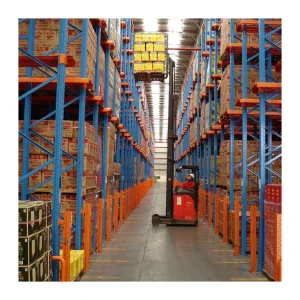
As the primary economic engine of South America, the state of São Paulo handles over 30% of Brazil's total GDP. The logistical hubs surrounding regions like Guarulhos, Campinas, Cajamar, and the ABC region (Santo André, São Bernardo do Campo, and São Caetano do Sul) face unprecedented pressures. The combination of skyrocketing land costs per square meter, rapid expansion of regional e-commerce distribution networks, and the concentration of high-volume manufacturing sectors (automotive, pharmaceuticals, and consumer packaged goods) makes spatial efficiency a non-negotiable metric.
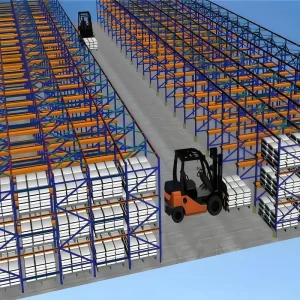
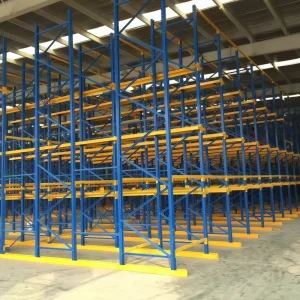
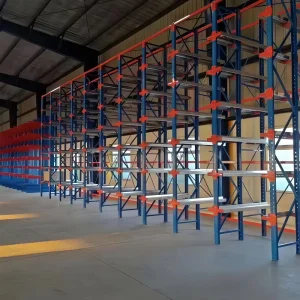
For modern operations, traditional selective racking systems are no longer viable for high-volume, low-SKU inventory configurations. Drive-In Racking Systems provide the definitive answer to these spatial constraints by reducing forklift access aisles and establishing a Last-In, First-Out (LIFO) high-density layout. Implementing a custom-engineered Drive-In structure can yield up to an 85% increase in storage volume compared to conventional layouts, directly translating to lower operational costs per pallet space in high-density regions like Greater São Paulo.
Understanding the unique physical demands of Brazilian warehouses is paramount. Racking solutions must comply with local engineering codes (such as ABNT NBR 15524 and NBR 14762) while integrating globally proven structural methodologies. Our industrial storage solutions bridge the gap between premium international manufacturing scales and the specific installation environments found within the industrial zones of São Paulo.
Guangdong Guanlongxing Storage Equipment Co., Ltd. (operating since 2017) combines advanced metallurgical processing, structural engineering competence, and extensive export experience to deliver international-standard pallet racking solutions. With a team of 62 R&D engineers, we customize drive-in and structural racking configurations tailored to the precise structural loading capacities demanded by global distribution networks.
Adapting to heavy loading profiles, dynamic material flows, and automation integration.
While standard Drive-In racking relies on forklift drivers entering the racking structure, modern facilities are planning pathways toward Radio Shuttle integration. Our structural systems are engineered with dimensional tolerances ready for conversion to shuttle tracks, protecting capital expenditure investments.
Energy costs inside cold storage warehouses in São Paulo make volume maximization critical. Drive-In racking minimizes the ambient air volume requiring active cooling, establishing high-thermal-mass storage conditions ideal for frozen protein, dairy, and pharmaceutical logistics.
Operating deep inside a racking lane demands strict safety structures. We construct drive-in entry structures using thick guard rails, heavy-duty floor-mounted guide tracks, and distinct overhead bracings to absorb impact energy and prevent structural failures.
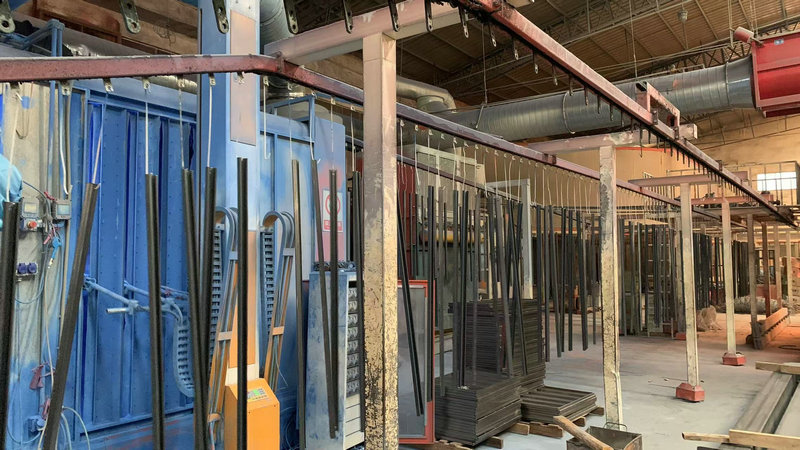
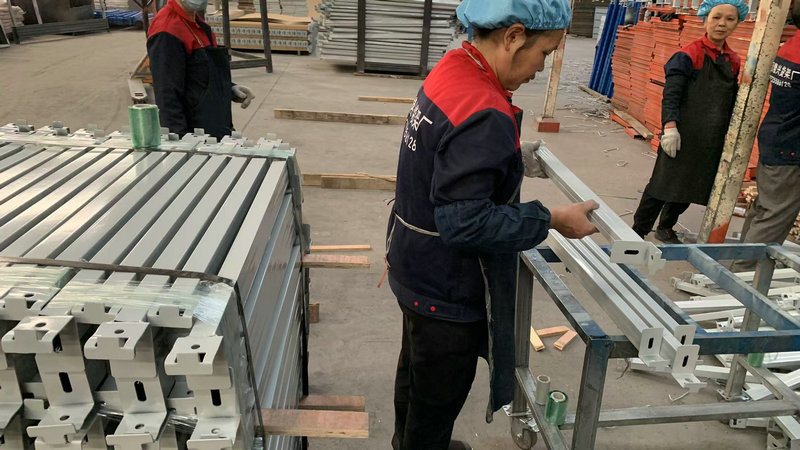
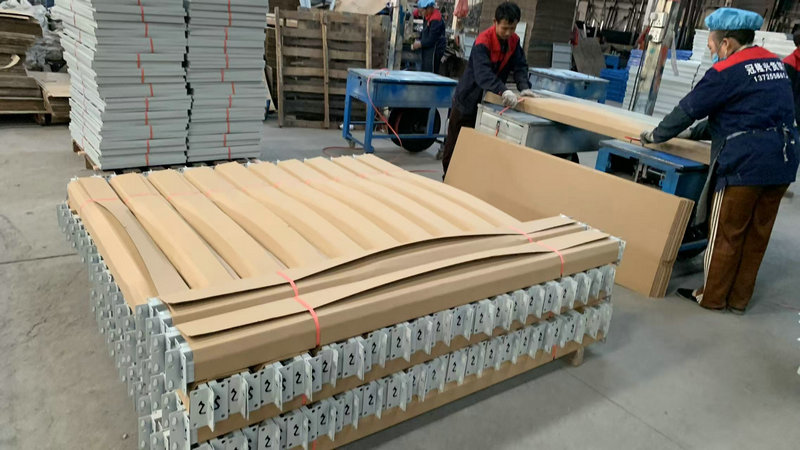
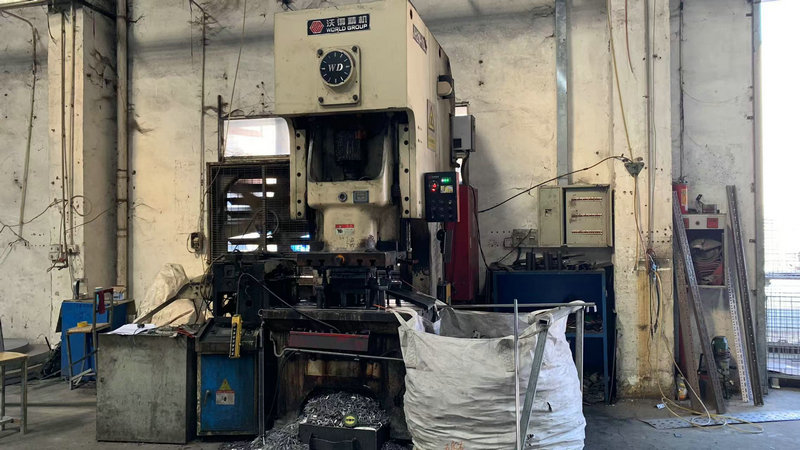
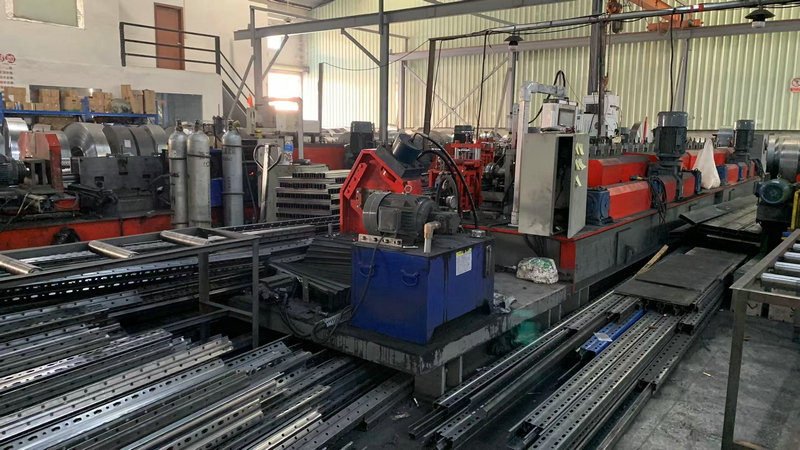
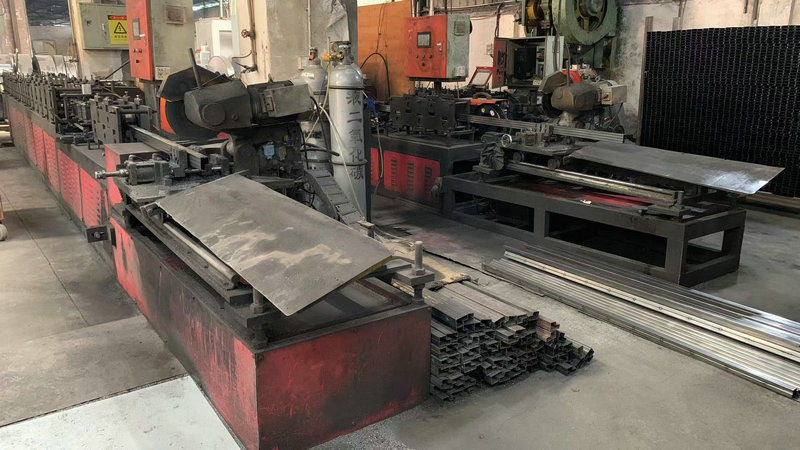
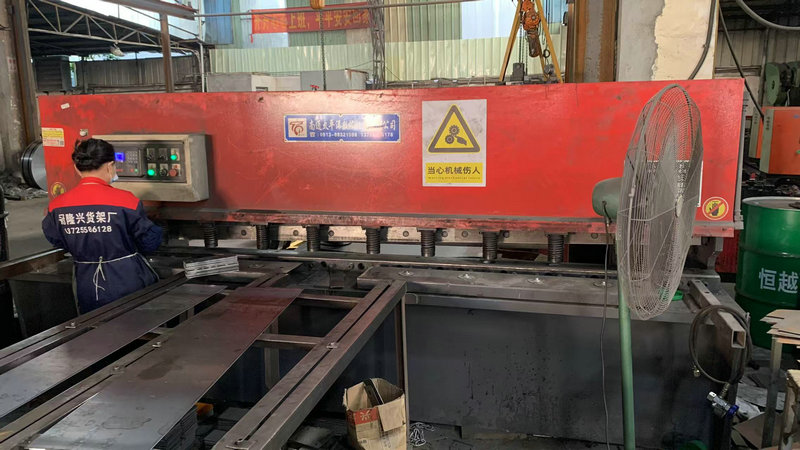
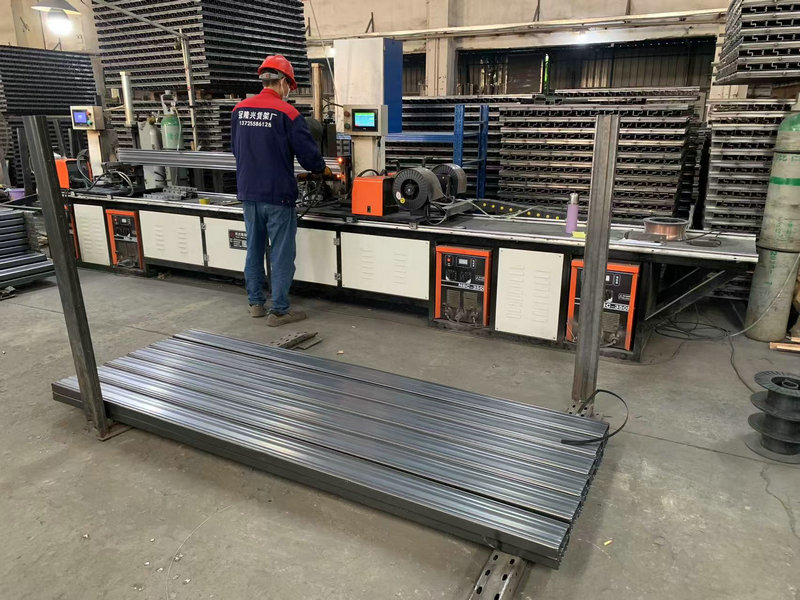
A look inside our 28,600 m² factory environment showing the processing stages of certified Q235B steel structures.
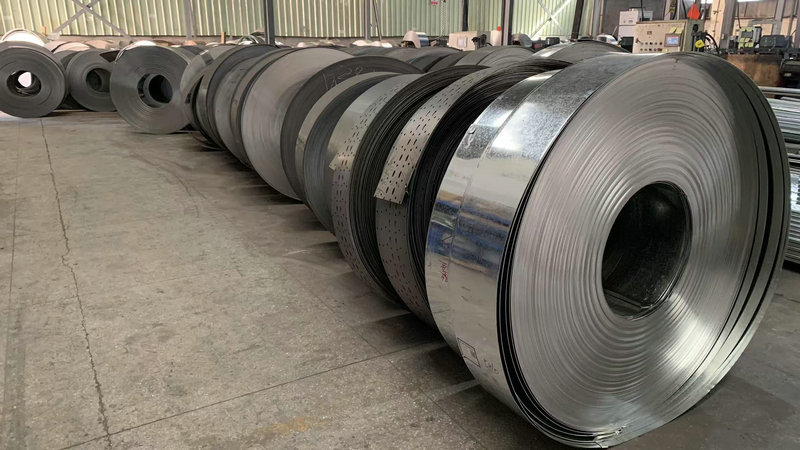
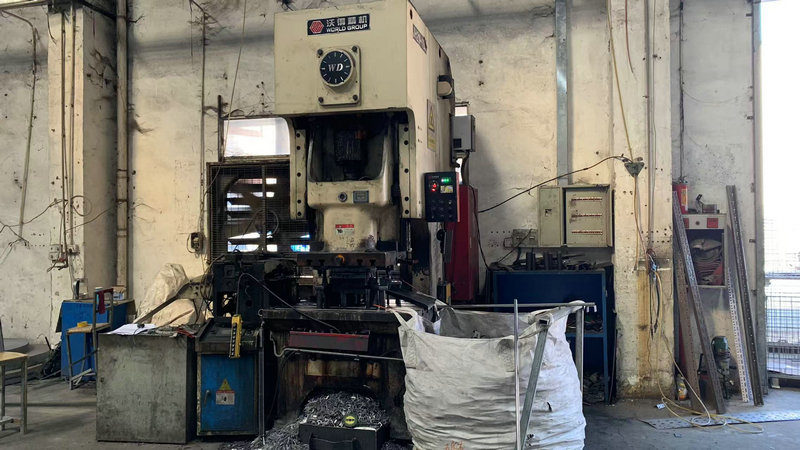
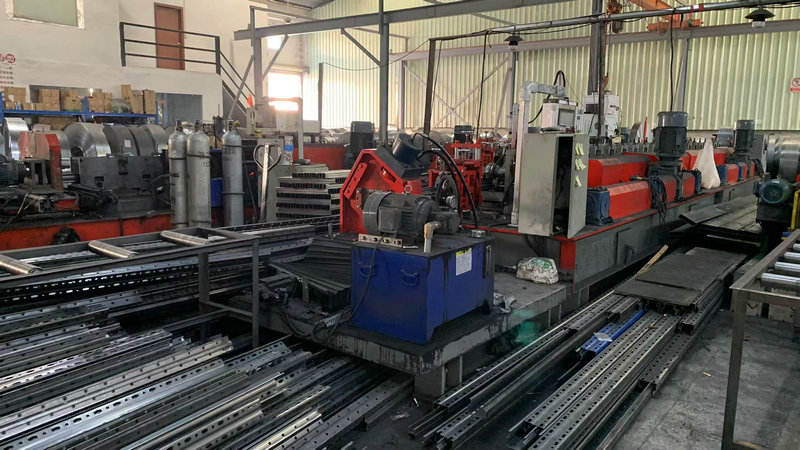
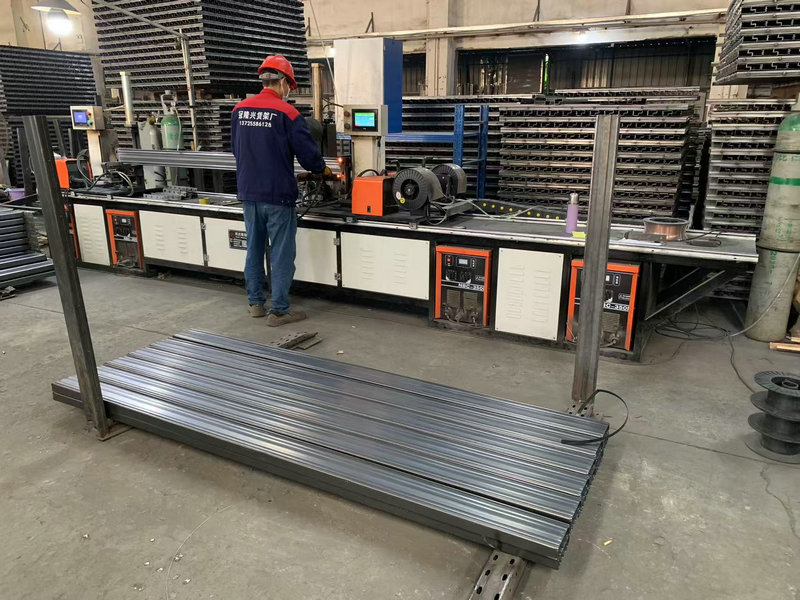
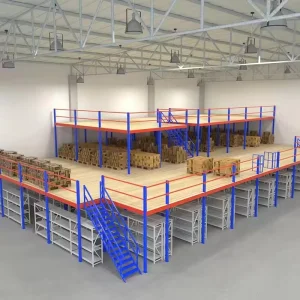
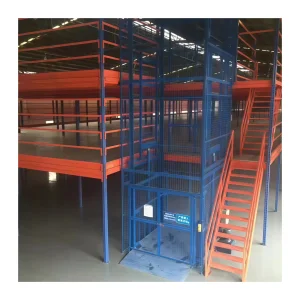
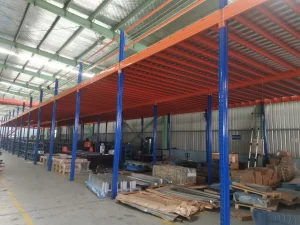
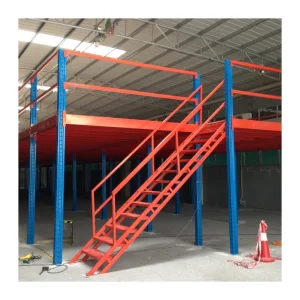
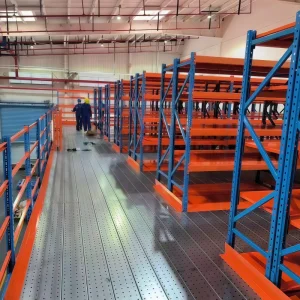
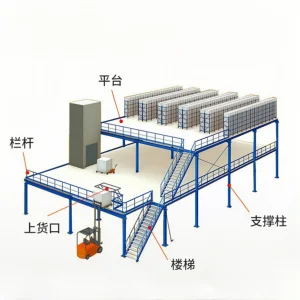
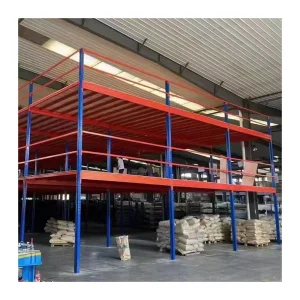
Integrated multi-level mezzanines and platforms designed for mixed manufacturing/logistical operations in the state of São Paulo.
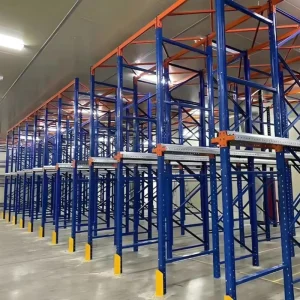
The load-bearing stability of a Drive-In racking system is dictated by the quality of its vertical uprights and horizontal rail assemblies. Unlike standard pallet racks where beams tie opposing upright frames together, Drive-In systems lack structural cross-beams in the access bays. Upright frames are stabilized by top tie beams and back bracing. We utilize certified Q235B and Q345B steel, cold roll-formed into 80mm, 90mm, 100mm, and 120mm post profiles. This profile stiffness prevents lateral twisting under maximum pallet weight limits.
Because forklifts travel directly inside the storage lanes, upright collision protection is a primary design variable. Columns are reinforced at base levels using wrap-around steel column guards or reinforced double upright arrangements. Ground-level steel guide rails (usually heavy hot-rolled channels or box sections) guide the forklift wheel paths to prevent direct contact with structural components.
Racking system calculations use Finite Element Method (FEM) analysis software to simulate loading under static and dynamic stress conditions. This includes evaluating horizontal displacement tendencies when loading deep lanes. Our standard design limits deflection tolerances according to international FEM 10.2.02 and EN 15512 safety standards, ensuring long-term structural integrity.
Frequently asked questions concerning configuration, sourcing, engineering safety, and delivery to Brazil and global destinations.
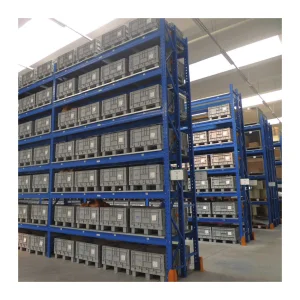
Premium structural options engineered to optimize vertical space in diverse industrial applications.
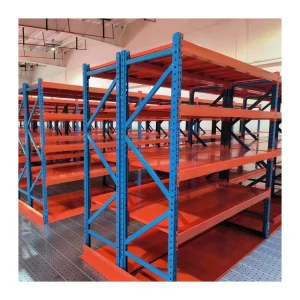
Contact our engineering team to design a custom racking layout tailored to your specific logistics constraints in the Brazilian market.
Send Inquiry Now Guanlong Rack