Why Is Warehouse Safety Important for Global Buyers?

Time:2026-10-26 Author:Isabella
0%

For global buyers, warehouse safety is not a distant operational detail. It shapes product quality, shipment continuity, worker well-being, and supplier trust. A damaged pallet, blocked aisle, or rushed forklift maneuver can interrupt an order before it leaves the facility. These risks become harder to see when buyers work across languages, time zones, and supplier networks. Warehouse Safety gives buyers a practical lens for evaluating how goods are stored, picked, packed, and dispatched. It also shows whether a supplier controls routine hazards or merely reacts after an incident.

Sidney Dekker, a recognized safety-science expert, states, “Safety is not the absence of accidents; safety is the presence of capacity.” His point matters in warehouses. Capacity means trained operators, visible pedestrian lanes, maintained equipment, clear emergency exits, and enough time to work carefully. Buyers can ask for training records, inspection routines, incident trends, and corrective-action evidence. They can also observe details during a site visit. Are rack labels readable? Are damaged pallets isolated? Do workers have space to turn safely? Small answers often reveal larger systems.

Good procurement should not treat a safety certificate as the whole answer. A certificate can expire, miss local conditions, or hide weak daily habits. That is uncomfortable, but important. Buyers should compare documented procedures with warehouse reality. They should review risks regularly, especially after seasonal hiring or layout changes. No system is perfect. Yet transparent reporting, respectful supervision, and measurable improvements create stronger supply relationships. This article explains why Warehouse Safety deserves a place in global sourcing decisions, not as paperwork, but as evidence of dependable operations.
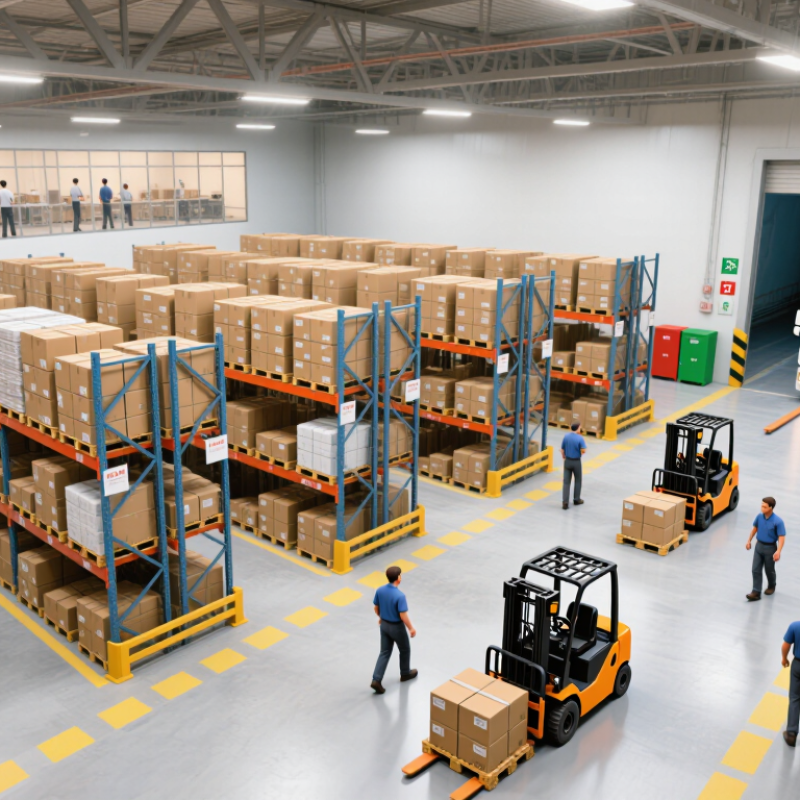
Why Is Warehouse Safety Important for Global Buyers?

What Warehouse Safety Means in Global Supply Chains

Why Is Warehouse Safety Important for Global Buyers?

What Warehouse Safety Means in Global Supply Chains

Warehouse safety protects more than workers. It supports product quality, shipment accuracy, and reliable delivery across borders. A damaged pallet can delay loading, contaminate nearby goods, or create disputes during receiving. Global buyers should examine how goods are stored, handled, labeled, and inspected before dispatch.

A safer warehouse uses clear walkways, stable pallet racks, trained equipment operators, and documented loading procedures. Temperature-sensitive products need continuous monitoring, not occasional checks. Strong traceability also matters. Lot numbers, inspection records, and loading photos can help buyers investigate damage or shortages. Practical warehouse reviews often reveal small risks, such as blocked emergency exits or loose wrapping. These details can become serious problems during peak seasons. No checklist catches everything. A clean audit does not always prove daily discipline.

Tips: Ask for recent safety records, warehouse inspection routines, and corrective-action reports. Confirm that workers receive regular training, especially before busy shipping periods. Check whether emergency equipment remains visible and accessible. Request evidence, not promises.

Safety expectations should also be discussed with freight partners and local warehouse teams. Different facilities may follow different procedures, creating weak points between handovers. Buyers can reduce uncertainty by using shared checklists and clear reporting timelines. Near-miss incidents deserve attention, even when no goods are damaged. Ignoring them feels efficient, but it often preserves the same risk. Safety is a working habit, not just a certificate.

How Warehouse Hazards Affect Workers, Products, and Buyers

Why Is Warehouse Safety Important for Global Buyers?

A warehouse hazard rarely stays inside the warehouse. A wet floor can injure a picker and delay an export shipment. Poor stacking may crush cartons, damage labels, or contaminate nearby products. In temperature-sensitive storage, one failed sensor can ruin goods before anyone notices. These failures affect workers, products, delivery schedules, and buyer confidence at the same time.

During warehouse inspections, practical details often reveal more than polished procedures. Clear walking paths, guarded equipment, visible emergency exits, and dry floors show daily discipline. Workers should receive role-specific training, not just sign a form. Forklift routes need separation from pedestrian areas. Racking requires regular checks for bent beams, loose anchors, and overloaded shelves. Buyers can request inspection records, incident logs, storage conditions, and corrective-action evidence. Photos help, but records matter more.

No warehouse is perfect. A checklist can create false confidence when supervisors rush through it. Workers may also hide small injuries because they fear delays or blame. That silence is dangerous. Reliable operations encourage reporting, investigate near misses, and correct root causes. Buyers should ask how often drills occur, who verifies safety controls, and what happens after a failed inspection. A clean loading area is useful. Consistent behavior matters more.

Why Is Warehouse Safety Important for Global Buyers?

How Warehouse Hazards Affect Workers, Products, and Buyers

Forklift incidents are a major warehouse safety concern. In the United States, forklifts are estimated to cause approximately 85 fatalities, 34,900 serious injuries, and 61,800 non-serious injuries each year. Unsafe handling can also damage products, delay shipments, increase inspection costs, and create delivery risks for global buyers. Strong training, equipment controls, clear traffic routes, and regular inspections help reduce these risks.

Source: U.S. Occupational Safety and Health Administration, Powered Industrial Trucks Safety.

Which Safety Standards and Controls Protect Warehouse Operations

Why Is Warehouse Safety Important for Global Buyers?

Which Safety Standards and Controls Protect Warehouse Operations

Global buyers often assess safety before approving a warehouse partner. A safe facility protects workers, stored goods, delivery schedules, and business continuity. It also shows operational discipline. Clear pedestrian lanes, guarded machinery, stable racking, and unobstructed fire exits should be visible during a site visit. Small details matter, such as damaged pallets near loading doors or poorly labeled chemical containers.

Effective controls usually combine an occupational health and safety management system with local workplace requirements. ISO 45001 can provide a structured framework for identifying hazards, assigning responsibilities, and reviewing performance. Warehouses should also follow applicable fire, electrical, lifting, and emergency-response rules in their operating country. The exact legal duties vary by location. Buyers should request current inspection records, training logs, risk assessments, and corrective-action reports.

Paperwork alone is not proof. Physical controls must match the documents. Forklift routes should separate vehicles from pedestrians, with visible signs and controlled crossing points. Emergency drills should test real response times, not merely record attendance. Temperature, humidity, dust, and lighting may also require routine monitoring for sensitive goods. In practice, gaps still appear. A spotless audit can miss unsafe behavior during a busy shift, so buyers should observe receiving and dispatch operations at different times. Near-miss reporting, supervisor checks, and worker feedback often reveal risks that formal inspections overlook.

Why Is Warehouse Safety Important for Global Buyers? — Which Safety Standards and Controls Protect Warehouse Operations
Safety Dimension Relevant Standard or Regulation Primary Warehouse Risk Recommended Control Buyer Verification Evidence Typical Review Frequency Priority
Material handling equipment OSHA 29 CFR 1910.178; ANSI/ITSDF B56.1; ISO 3691 series Vehicle collisions, dropped loads, overturning and pedestrian injuries Use trained and authorized operators, separate vehicle and pedestrian routes, apply speed controls, maintain equipment and inspect it before use. Operator training records, equipment inspection checklists, maintenance logs, traffic-management plan and incident records Pre-shift inspection; formal training evaluation at least every 3 years under OSHA requirements, or sooner when conditions change High
Storage racks and load capacity EN 15635; RMI guidance; applicable local building and fire codes Rack collapse, falling goods and structural damage Display rated load limits, protect rack uprights, prevent overloading, maintain clear aisles and arrange periodic rack inspections by a competent person. Rack layout, load-rating signs, installation records, damage reports, repair records and inspection documentation Routine visual checks; documented expert inspection at intervals required by local rules or the risk assessment High
Fire prevention and protection NFPA 13; NFPA 25; OSHA 29 CFR 1910.157; local fire codes Fire spread, blocked suppression systems and delayed evacuation Maintain compatible sprinkler protection, keep sprinklers and fire exits unobstructed, control ignition sources and provide suitable extinguishers and emergency procedures. Fire-risk assessment, sprinkler inspection reports, extinguisher service tags, evacuation-drill records and fire-authority approvals Inspection and testing intervals defined by NFPA 25, local law and the site fire plan High
Emergency exits and evacuation OSHA 29 CFR 1910.36–1910.38; ISO 45001 Delayed evacuation, panic and restricted access to safe areas Mark and illuminate escape routes, keep exits unlocked and unobstructed, post emergency maps and assign trained evacuation coordinators. Emergency maps, exit inspections, drill attendance records, corrective-action reports and emergency contact lists Routine housekeeping checks; drills and plan reviews according to local requirements and risk assessment High
Slip, trip and fall prevention OSHA 29 CFR 1910.22; ISO 45001 Falls caused by spills, damaged floors, clutter or inadequate lighting Apply housekeeping schedules, clean spills promptly, repair floor defects, maintain adequate lighting and provide suitable footwear where required. Housekeeping inspection sheets, spill-response logs, lighting checks, floor-maintenance records and corrective actions Daily or shift-based checks, with immediate response to identified hazards High
Manual handling and ergonomics ISO 11228 series; ISO 11226; ISO 45001 Musculoskeletal disorders caused by lifting, carrying, pushing or repetitive work Use mechanical aids, adjust workstation height, limit awkward postures, rotate tasks where appropriate and train workers in safe handling methods. Ergonomic risk assessments, lifting-aid records, workstation evaluations, training records and injury-trend reports Initial assessment and reassessment after process, product or equipment changes Medium–High
Loading docks and trailer operations OSHA 29 CFR 1910.26; OSHA 29 CFR 1910.178; local transport rules Falls from dock edges, trailer movement, crushed workers and unstable loads Use wheel chocks or vehicle restraints, dock lights, edge protection, safe access equipment and documented trailer-entry procedures. Dock inspection records, restraint maintenance logs, trailer-check forms, training records and incident reports Before each loading operation; equipment maintenance according to manufacturer instructions High
Electrical and battery charging OSHA 29 CFR 1910.178(g); NFPA 70; NFPA 70E where applicable Electric shock, battery acid exposure, hydrogen accumulation and fire Use designated charging areas, provide ventilation, control ignition sources, install emergency eyewash facilities and apply lockout/tagout procedures for servicing. Charging-area inspection records, ventilation checks, battery-maintenance logs, PPE records and lockout/tagout procedures Routine area inspections; electrical inspections and testing according to applicable codes High
Hazardous chemicals and spill control OSHA 29 CFR 1910.1200; GHS; ISO 45001 Exposure to toxic, corrosive, flammable or incompatible substances Maintain current safety data sheets, label containers using the applicable GHS system, segregate incompatible materials and provide spill kits and PPE. Safety data sheet register, chemical inventory, GHS labels, training records, spill-drill reports and PPE inspections Inventory review when chemicals change; routine storage and spill-kit inspections High
Machine guarding and automated systems ISO 12100; ISO 13849-1; OSHA 29 CFR 1910.212 Entanglement, crushing, shearing and unexpected machine movement Install fixed or interlocked guards, emergency stops and safety controls; restrict access to hazardous zones and apply lockout/tagout during maintenance. Machine risk assessments, safeguarding validation, maintenance records, emergency-stop tests and lockout/tagout audits Commissioning and after modifications; periodic functional tests based on risk assessment High
Personal protective equipment OSHA 29 CFR 1910.132; ISO 45001 Uncontrolled exposure to impact, chemicals, noise or other workplace hazards Select PPE based on documented risk assessments, provide it without cost where legally required, train users and replace damaged equipment. PPE hazard assessment, issue records, training records, inspection checklists and replacement records Before assignment and during routine inspections; reassess when hazards or processes change Medium–High
Noise and environmental exposure OSHA 29 CFR 1910.95; ISO 9612; applicable national occupational-exposure limits Hearing loss, reduced communication and increased collision risk Measure noise levels, apply engineering or administrative controls, provide hearing protection and implement a hearing-conservation program where required. Noise surveys, exposure calculations, audiometric records where applicable, signage and hearing-protection training Initial and periodic surveys; reassessment after equipment or layout changes Medium
Incident reporting and corrective action ISO 45001; applicable national reporting requirements Repeated incidents caused by unresolved root causes Report near misses and injuries, investigate root causes, assign corrective-action owners and verify that actions are effective. Incident register, near-miss reports, investigation forms, corrective-action tracker and management-review minutes Immediate reporting for serious events; trend review at least monthly or according to the management system High
Management-system governance ISO 45001:2018 Inconsistent safety responsibilities, weak worker participation and poor control of change Define responsibilities, consult workers, assess risks, control contractors, manage operational changes and conduct internal audits. Occupational health and safety policy, risk register, audit reports, training matrix, contractor controls and management reviews Continuous monitoring; internal audits and management reviews according to the documented ISO 45001 system Routine
Buyer note: Requirements vary by country, facility type, building design and stored materials. Global buyers should verify the applicable national laws, local fire authority requirements, site risk assessment and documented evidence before approving a warehouse.

How Safe Warehouses Improve Quality, Compliance, and Delivery

Warehouse safety directly affects product quality, regulatory compliance, and delivery performance. A damaged pallet can crush cartons, expose products to moisture, or create incorrect inventory records. Safe aisles, stable racking, and controlled loading zones reduce these avoidable failures. The International Labour Organization reported 2.93 million work-related deaths and 395 million nonfatal injuries globally in 2023. These figures show why safety is an operational issue, not only a human-resources concern.

Well-trained workers inspect pallets before movement and scan items at clear, well-lit stations. This simple discipline supports traceability and reduces picking mistakes. The World Bank’s Logistics Performance Index 2023 assessed logistics conditions across 139 economies. It highlights customs, infrastructure, shipment quality, and timeliness as connected performance factors. Buyers should therefore audit safety controls alongside inventory accuracy and dispatch records. However, a clean warehouse is not automatically a safe warehouse. Blind corners, rushed shifts, and poorly documented near misses still require attention.

Tips: Ask suppliers for recent training records, inspection logs, emergency procedures, and corrective-action evidence. Walk through receiving and loading areas virtually or in person. Check whether damaged goods are isolated immediately. Compare promised dispatch times with actual shipment data. Review incidents monthly, because a near miss today may become a costly delay tomorrow. Small gaps matter.

What Global Buyers Should Check Before Choosing a Warehouse Partner

Why Is Warehouse Safety Important for Global Buyers?

A warehouse partner affects worker welfare, inventory quality, and delivery reliability. The International Labour Organization estimated 2.93 million work-related deaths worldwide in 2023. It also reported about 395 million nonfatal work injuries annually. These figures make safety a commercial concern, not only an ethical one. A safer facility reduces damaged cartons, shipment delays, and unexpected claims. A clean tour can still mislead.

Global buyers should inspect the warehouse in operation. Check dock plates, forklift routes, rack load labels, emergency exits, and sprinkler clearance. Ask for recent incident records, corrective actions, staff training logs, and equipment inspection schedules. Confirm whether temporary workers and subcontractors receive the same training. ISO 45001-based systems can show structured safety management, but certificates alone prove little. Review insurance coverage, business continuity plans, temperature controls, and inventory traceability. The U.S. Bureau of Labor Statistics reported a 2023 recordable injury rate of 4.8 cases per 100 full-time workers in transportation and warehousing. Local conditions may differ.

Tips: Visit during peak receiving hours, not only during a prepared appointment. Ask an operator to explain one normal shift. Photograph nothing confidential, but note blocked aisles, loose wrap, poor lighting, and overloaded pallets. Request sample records with sensitive details removed. Compare written procedures with real behavior. No checklist is perfect. If a partner avoids basic questions, pause before signing. Safety data should be current, specific, and independently verifiable.

FAQS

Why does warehouse safety matter to global buyers?

Safety protects workers, products, shipment accuracy, and delivery schedules. A damaged pallet can delay loading or contaminate nearby cartons. Small failures become costly across borders.

What physical conditions should buyers inspect?

Check clear walkways, stable racks, visible emergency exits, and unobstructed sprinkler areas. Inspect dock plates, forklift routes, lighting, and pallet wrapping. Loose wrap matters.

Which safety records should a warehouse partner provide?

Request recent incident records, corrective-action reports, training logs, and equipment inspection schedules. Ask for sample records with sensitive details removed. Evidence matters.

How can buyers test whether written procedures reflect daily work?

Visit during busy receiving hours, not only during a prepared appointment. Ask an operator to describe one normal shift. Compare that explanation with observed behavior.

How should temperature-sensitive goods be managed?

Require continuous temperature monitoring during storage and handling. Occasional checks may miss harmful changes. Review monitoring records before dispatch. The records may still contain gaps.

Why are inventory traceability records important?

Lot numbers, inspection records, and loading photographs help investigate shortages or damage. Clear records support faster receiving decisions. They do not prevent every mistake.

Should temporary workers and subcontractors receive safety training?

Yes. They should receive training equal to permanent staff, especially before peak shipping periods. Uneven training creates weak points. This is easy to overlook.

How should buyers manage safety between different facilities?

Use shared checklists, clear handover procedures, and fixed reporting timelines. Discuss expectations with freight partners and local warehouse teams. Handover gaps can hide damage.

How should buyers treat near-miss incidents?

Review near misses even when no goods were damaged. They may reveal blocked aisles, unstable loads, or poor lighting. Ignoring them feels efficient, but the risk may return.

Conclusion

Warehouse Safety is a critical part of reliable global supply chains. It includes the policies, equipment, training, and daily procedures used to protect workers, inventory, and warehouse operations. Poor safety practices can lead to injuries, product damage, inventory errors, delays, and unexpected costs for global buyers. Hazards such as improper stacking, blocked aisles, unsafe material handling, fire risks, and inadequate emergency procedures can affect both operational efficiency and customer satisfaction.

A safe warehouse uses clear safety standards, regular inspections, employee training, protective equipment, organized storage, access controls, and documented emergency plans. These measures help maintain product quality, support compliance, improve order accuracy, and keep deliveries on schedule. Before selecting a warehouse partner, global buyers should review its safety records, staff training programs, equipment maintenance, inventory controls, incident response procedures, and ability to provide transparent documentation. Choosing a warehouse with strong safety practices reduces supply chain risks and supports stable, dependable business growth.

Isabella

Isabella

Isabella is a dedicated marketing professional with a sharp focus on driving brand growth and engagement through strategic content creation. With an extensive background in digital marketing, she combines her passion for storytelling with her keen understanding of industry trends to deliver......