In the rapidly evolving landscape of logistics, "Warehouse Automation" is reshaping operations across the globe. Experts like Dr. Li Wei, a leader in supply chain technology, emphasize the importance of these innovations. He states, "Automation improves efficiency but it requires careful implementation." This statement highlights the dual nature of progress in this field.
China has emerged as a hub for advanced automation solutions. Global buyers are increasingly looking for innovative technologies that enhance productivity in warehouses. Robotics, AI, and IoT are playing significant roles in optimizing storage and handling processes. However, not all implementations are perfect. Businesses must navigate challenges and adapt technologies thoughtfully.
Investing in warehouse automation is not just about acquiring the latest gadgets. It involves rethinking operations and workforce dynamics. Effective training and change management are crucial for success. Companies must evaluate their unique needs before adopting widely available solutions. As the industry grows, so do the opportunities and potential pitfalls. This balance must be managed to ensure sustainable success in the future of warehouse automation.
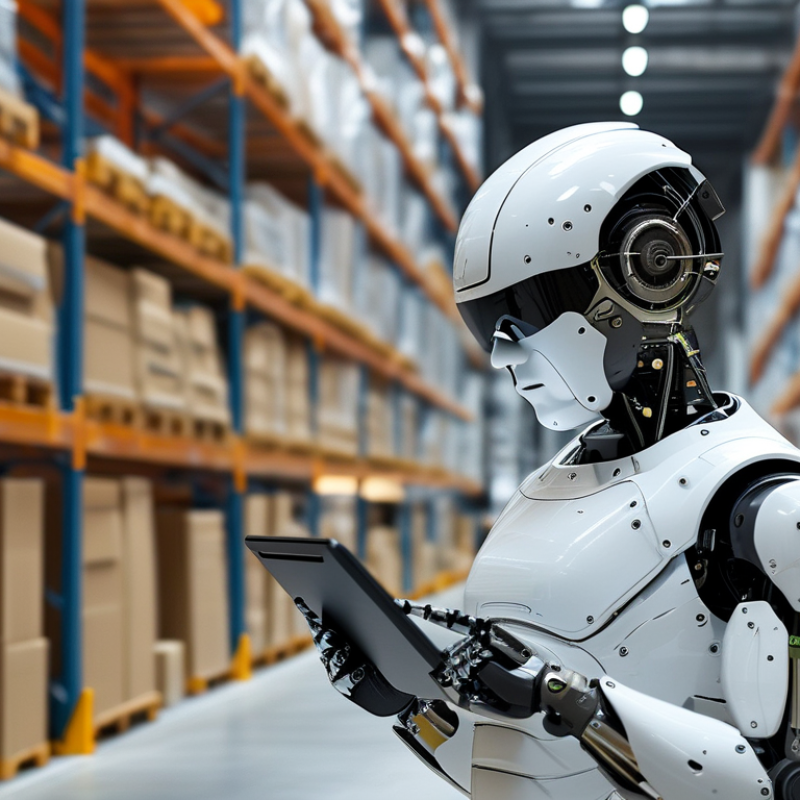
Warehouse automation in China is evolving rapidly, driven by the surge in e-commerce and logistics demands. According to a recent report by Statista, China's warehouse automation market is expected to reach approximately USD 9.3 billion by 2025. This growth reflects a significant shift in how goods are stored and distributed. Traditional methods are now being replaced with advanced technologies, enhancing efficiency and accuracy.
In particular, automation solutions like autonomous mobile robots (AMRs) and automated storage and retrieval systems (AS/RS) are gaining traction. The implementation of these technologies can reduce labor costs and increase picking speed by up to 300%. However, not all facilities have embraced these changes. Some warehouses still struggle with outdated processes, hindering their potential growth.
The integration of Internet of Things (IoT) devices further improves inventory tracking and management. Research suggests that IoT adoption can lead to a 25% reduction in operational costs over time. However, the challenge lies in ensuring data security and managing vast amounts of information. Many companies find themselves at a crossroads, needing to weigh the cost of automation against the risks involved.
Warehouse automation in China is rapidly evolving. Several key technologies are driving this revolution. One prominent technology is robotics. Automated guided vehicles (AGVs) move goods effortlessly. They significantly reduce labor costs and enhance efficiency. These robots can navigate complex warehouse environments, adapting to layouts quickly.
Another important technology is the Internet of Things (IoT). IoT devices collect real-time data on inventory levels. This data helps in precise stock management. Sensors monitor conditions such as temperature and humidity. Such insights can prevent spoilage and losses. Implementing IoT solutions can be challenging. Integration with existing systems is often a hurdle.
Artificial Intelligence (AI) also plays a crucial role. AI algorithms optimize inventory and predict demand. They analyze sales trends and patterns. However, reliance on algorithms may lead to missed opportunities. Human oversight remains essential for strategic decisions. Balancing automation with human expertise will be vital.
| Technology | Description | Applications | Benefits |
|---|---|---|---|
| Automated Guided Vehicles (AGVs) | Mobile robots designed to transport materials within a warehouse. | Order fulfillment, Inventory management, Materials handling. | Increased efficiency, reduced labor costs, improved safety. |
| Robotic Picking Systems | Robots that select products from shelves and prepare them for shipping. | E-commerce order processing, Cross-docking. | Higher accuracy, faster processing times, labor savings. |
| Warehouse Management Systems (WMS) | Software solutions that help manage warehouse operations. | Inventory tracking, Order management, Supply chain visibility. | Improved inventory accuracy, better decision-making, enhanced visibility. |
| Automated Sortation Systems | Systems that automatically sort products based on shipping criteria. | Parcel delivery, Bulk sorting, Order fulfillment. | Increased throughput, reduced handling time, optimized space utilization. |
| Artificial Intelligence (AI) in Warehousing | Utilization of AI algorithms to enhance warehouse operations. | Predictive analytics, Inventory optimization, Demand forecasting. | Informed decision-making, optimized inventory levels, reduced waste. |
China has emerged as a global leader in warehouse automation. Many companies are adopting advanced technologies to streamline operations. These technologies enhance efficiency and reduce labor costs. Robotics, AI, and IoT play crucial roles in this evolution.
Warehouse automation solutions in China often focus on customizing operations to meet specific needs. Some companies utilize automated guided vehicles for transporting goods. Others implement sophisticated inventory management systems. However, challenges remain. Not all warehouses can easily adapt to automation. Infrastructure limitations can hinder implementation.
Furthermore, training staff to work alongside automated systems requires time and investment. Many companies need to rethink their workflows. Balancing human oversight with automation is crucial for success. A thoughtful approach will help create a more integrated environment for both workers and machines. This transition in China’s warehouses shows promise, but reflection on current practices is essential for future growth.
In recent years, warehouse automation in China has seen remarkable advancements. Companies have implemented innovative technologies to enhance efficiency.
One case study highlights a logistics firm that integrated robotic systems into their warehousing process. This increased order fulfillment speed by 40%. Employees found that robots handled repetitive tasks, allowing them to focus on more complex responsibilities.
Another example involves a major e-commerce provider that adopted automated storage and retrieval systems. This technology reduced inventory errors significantly. However, the shift faced initial pushback from staff reluctant to embrace change. Training sessions became vital for easing the transition. Ultimately, these implementations have transformed operations, yet the journey was not without challenges.
The effectiveness of these solutions hinges on continuous evaluation. Understanding how automation impacts workforce dynamics is essential. Companies must remain adaptable, addressing employee concerns while optimizing processes. Such reflections are crucial for long-term success in an ever-evolving market.
The landscape of warehouse automation in China is rapidly evolving. With technological advancements, businesses are embracing innovative solutions to enhance efficiency. Automation not only speeds up processes but also reduces human error. Many companies are now integrating robotics, artificial intelligence, and IoT into their operations.
Tips: Consider your specific needs before selecting automation tools. Understanding your workflow can prevent costly investments in unnecessary technologies.
Data management is another critical aspect. Effective systems collect and analyze inventory data. This leads to better decision-making and resource allocation. However, companies still face challenges. Integration with existing systems can be complex. Moreover, staff training is essential to ensure smooth transitions.
Tips: Regularly evaluate your automated systems for improvements. Technology changes quickly, and staying updated can optimize performance. Don't overlook the importance of human oversight in automation processes. Balancing technology with human skills can enhance overall effectiveness.
This chart displays the adoption rates of various warehouse automation solutions in China as of 2023. The data indicates a growing trend towards automation in warehousing, highlighting the different solutions being implemented by warehouses across the country.
: Rapid growth in e-commerce and logistics demands is a major factor.
It is projected to reach around USD 9.3 billion.
Key technologies include autonomous mobile robots, automated storage systems, and IoT devices.
Automation can boost picking speed by up to 300%.
Many still use outdated processes, which limits their potential growth.
IoT devices improve inventory tracking and can reduce operational costs by 25%.
Integration with existing systems can be difficult for many companies.
AI optimizes inventory management and predicts demand based on sales trends.
Algorithms can miss opportunities, so human expertise is crucial for informed decisions.
They must weigh the costs of automation against potential risks involved.
Warehouse automation in China is experiencing rapid growth, driven by advancements in technology and the need for efficiency in supply chain management. This article provides an overview of the current landscape of warehouse automation, highlighting key technologies such as robotics, artificial intelligence, and IoT that are leading the charge.
Additionally, it explores several leading companies in the sector that have successfully implemented innovative solutions, showcasing case studies that illustrate the tangible benefits of warehouse automation. The article concludes by discussing emerging trends and future directions, suggesting that as technology continues to evolve, warehouse automation will play an increasingly vital role in optimizing operations and meeting global demands.

Guanlong Rack