In the rapidly evolving landscape of logistics, efficient Material Handling solutions have become essential for global businesses. According to the latest report from the Material Handling Industry of America (MHIA), the sector is projected to grow by 6.3% annually, highlighting an increasing demand for innovative solutions. This growth underscores the significance of effective Material Handling systems in optimizing supply chains.
Experts in the field emphasize this urgency. Dr. Michael S. Piskai, a renowned authority in logistics technology, once stated, "Companies must adapt their Material Handling processes to remain competitive." His insight reflects the challenges that many organizations face today. Inefficient systems not only lead to delays but also increase operational costs.
As businesses strive to stay ahead, exploring top Material Handling solutions can yield significant benefits. Acknowledging the complexity and diversity of today's supply chain demands is crucial. Companies may undervalue the importance of investing in these systems, which can ultimately hinder their growth. Thus, a thorough understanding of the best practices in Material Handling is imperative for success.
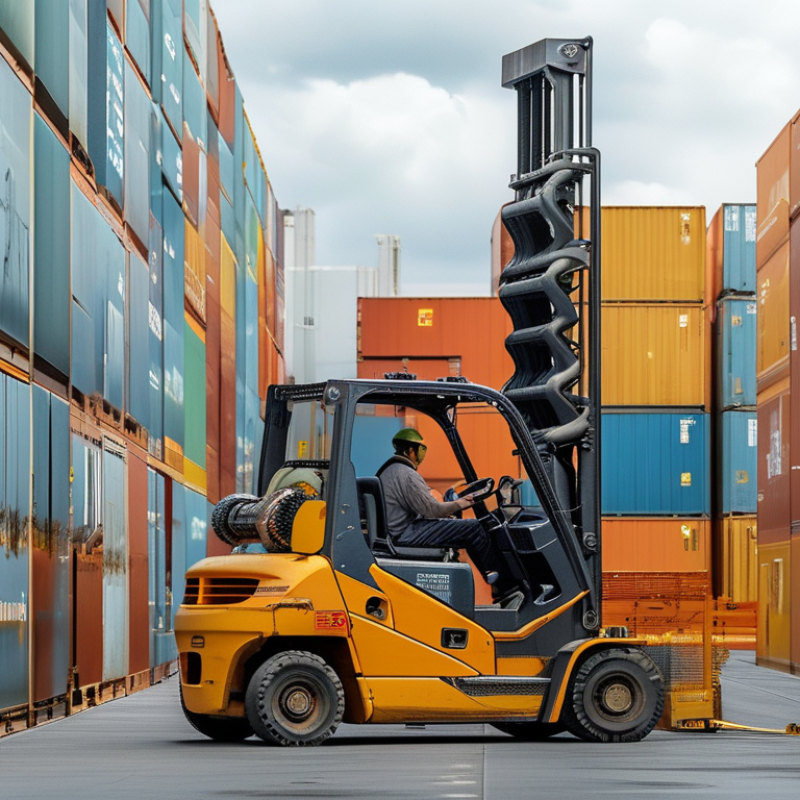
Material handling solutions are crucial in global markets. They encompass a wide range of equipment and systems designed to optimize the movement and storage of materials. Industries rely on effective handling solutions to enhance productivity and reduce operational costs. Innovations in this field are driven by technological advancements and the growing need for efficiency.
Investing in automation technologies can vastly improve material handling processes. Automated guided vehicles streamline transportation and minimize human error. Companies looking to upgrade should assess their workflow first. Understanding specific needs is essential before implementing new systems. Proper training for staff also plays a vital role in ensuring success. It's not just about equipment; it's about people working with it.
Adopting eco-friendly solutions is becoming a priority. Many companies are searching for ways to reduce their carbon footprint. Sustainable practices in material handling can lead to long-term benefits. However, businesses may face challenges during the transition. Adjustments to workflows and training requirements need careful planning. Keep in mind that materials should be handled with care to prevent waste and damage.
As the global market evolves, material handling equipment plays a crucial role in supply chains. Key trends are shaping this sector. One major trend is increasing automation. Companies are adopting automated solutions to enhance efficiency. These systems often reduce labor costs and improve safety. However, the transition may pose challenges for workers who need retraining.
Another influential factor is sustainability. Businesses are prioritizing eco-friendly technologies. This shift not only meets regulatory demands but also appeals to eco-conscious consumers. Implementing green practices can be complex. Organizations must consider the long-term impact of their decisions, as not all solutions are immediately effective.
Finally, the rise of e-commerce drives demand for innovative material handling systems. Fast delivery expectations require agility and flexibility. Traditional methods may need reevaluation to meet these new challenges. As buyers adapt, they must balance efficiency with reliability. Each choice comes with its own set of complications, demanding careful consideration.
Innovative material handling technologies are revolutionizing the logistics landscape in 2023. Automation stands at the forefront, streamlining operations and reducing labor costs. Robotic systems now handle repetitive tasks, improving efficiency and accuracy. These robots can navigate complex environments, reducing the risk of accidents and enhancing safety.
Artificial intelligence plays a significant role as well. AI algorithms analyze data to optimize warehouse layouts and predict inventory needs. This technology allows for better decision-making, minimizing excess stock and shortages. Integrating AI with existing systems can be complex, but the benefits are substantial.
When implementing new technologies, consider your infrastructure. Compatibility is key for a seamless transition. Training employees is equally important. They must understand how to interact with new systems. Adoption of these innovations may have initial hurdles. However, the long-term gains often outweigh temporary struggles. Stay informed about the latest trends to maintain a competitive edge in material handling.
When evaluating material handling solutions, global buyers often seek reliability and efficiency. Leading providers stand out based on their technological advancements and customer support. Some focus on automation, while others prioritize ergonomics and safety. This diversity allows buyers to choose solutions tailored to their specific needs.
Understanding the key features is crucial. Consider the scalability of a solution. A system that starts small can grow as your business evolves. Look for flexibility in the design. This adaptability can significantly reduce operational costs.
It's important to assess training and support services. Good providers offer comprehensive training programs. They also ensure ongoing support, which helps in minimizing downtime. Many clients overlook this aspect, resulting in missed opportunities.
Communication is key when collaborating with providers. A clear dialogue can illuminate potential challenges. Buyers often find hidden fees in contracts, leading to unexpected costs. Be vigilant and question every detail meticulously. The relationship you build with your provider can impact the long-term success of your material handling operations.
Selecting the right material handling equipment is crucial for global operations. A recent industry report states that over 70% of companies cite equipment efficiency as a primary factor in their logistics success. This underscores the importance of thorough evaluation. Factors to consider include load capacity, automation levels, and adaptability to various environments.
When evaluating equipment, procurement teams should involve multiple stakeholders. This ensures diverse perspectives on functionality and usability. Attention to safety standards is also critical; a study shows that safety non-compliance could lead to costs exceeding 30% of an operation’s budget. Regular training and updates on best practices help maintain safety and efficiency.
Many buyers are unaware of the necessity for robust after-sales support. Without it, even the best equipment can lead to unexpected downtime. It’s essential to verify suppliers' commitment to service and maintenance. Be aware of your specific needs. Each operation has its unique challenges and requirements. Relying on standard solutions rarely yields optimal results. Building a tailored approach can often reveal areas for improvement in operational workflows.
| Solution | Type | Capacity (lbs) | Key Features | Recommended Industry |
|---|---|---|---|---|
| Automated Guided Vehicles (AGVs) | Transport | 2000 | Navigation precision, load ensurement, real-time tracking | Manufacturing, Warehousing |
| Forklifts | Lifting & Transport | 5000 | Versatile, various attachments, customizable heights | Construction, Distribution |
| Conveyor Systems | Transport | Variable | Automated delivery, modular designs, efficient spacing | Food, E-commerce |
| Pallet Racking Systems | Storage | Load-dependent | Maximized vertical space, easy access, durability | Warehousing, Retail |
| Stretch Wrapping Machines | Packaging | Variable | Consistent tension, high speed, safety features | Logistics, Manufacturing |
| Mobile Work Platforms | Access | 1000 | Height adjustable, enhanced safety features, portable | Construction, Maintenance |
| Dock Levelers | Loading/Unloading | 3000 | Safety mechanisms, adjustable height, durability | Shipping, Warehousing |
| Inventory Management Software | Software | N/A | Real-time tracking, analytics, optimization algorithms | Retail, Distribution |
| Robotic Palletizers | Automation | Varies | High speed, flexibility, reduced ergonomic strain | Food, Beverage |
| Automated Storage and Retrieval Systems (ASRS) | Storage & Retrieval | N/A | Space efficiency, high speed, reduced labor costs | Manufacturing, Distribution |
: They are systems designed to optimize material movement and storage, enhancing productivity.
Automation reduces human error and streamlines transportation processes, saving time and costs.
Proper training ensures employees understand new systems, leading to better efficiency and safety.
Sustainable practices can include reducing waste and optimizing transport to lower carbon footprints.
Businesses may face issues with workflow adjustments and employee training when integrating new systems.
AI can analyze data to optimize layouts and predict inventory needs, improving overall efficiency.
Load capacity, automation levels, and adaptability to different environments are crucial factors.
Good support prevents unexpected downtimes and ensures equipment continues to operate efficiently.
Adhering to safety standards is vital, as non-compliance can lead to significant operational costs.
A tailored approach often reveals specific challenges and improvement areas in workflows.
The article "Top 10 Material Handling Solutions for Global Buyers" provides a comprehensive overview of the current landscape of material handling solutions across global markets. It highlights key trends influencing the demand for material handling equipment, such as automation, sustainability, and advancements in technology. The piece also discusses the top 10 innovative material handling technologies for 2023, emphasizing their potential impact on efficiency and productivity.
Furthermore, the article conducts a comparative analysis of leading material handling solution providers, offering insights into their strengths and market positions. It concludes with best practices for selecting appropriate material handling equipment for global operations, ensuring that buyers make informed decisions based on their unique needs and operational goals. Overall, the article serves as a valuable resource for global buyers looking to enhance their material handling capabilities in an evolving market.

Guanlong Rack