How to Choose the Right Vertical Storage System for Your Business

Time:2026-11-09 Author:Sophia
0%

Choosing a Vertical Storage system is not simply a matter of making shelves taller. It changes how people, products, and orders move through a facility. MHI and Deloitte’s 2024 Annual Industry Report found that 55% of surveyed supply chain professionals had increased technology investment in the previous two years; 88% expected investment to rise over the next five. That signals strong interest in automation, but it does not mean every warehouse needs the same solution. Fit matters.

Start with the work itself. How many stock-keeping units need storage? How often are they picked, and how heavy or awkward are the items? A vertical lift module may suit compact parts and controlled access, while a vertical carousel may serve frequently requested, similarly sized goods. Automated storage and retrieval systems can support different volumes, but they require careful planning for throughput, maintenance, and integration. Measure clear ceiling height, floor capacity, aisle space, and access for service technicians. Count the real costs, too.

Small details matter. A tall cabinet can look efficient on a plan, yet slow picking if replenishment is poorly designed. Peak demand deserves attention, but sizing only for peak demand can create unused capacity. There is no perfect answer. The right system depends on your inventory profile, order patterns, building constraints, workforce, and budget. This guide compares key system types and practical selection criteria, helping you ask better questions before requesting proposals. Some assumptions may change after a site assessment—and that is worth acknowledging early.
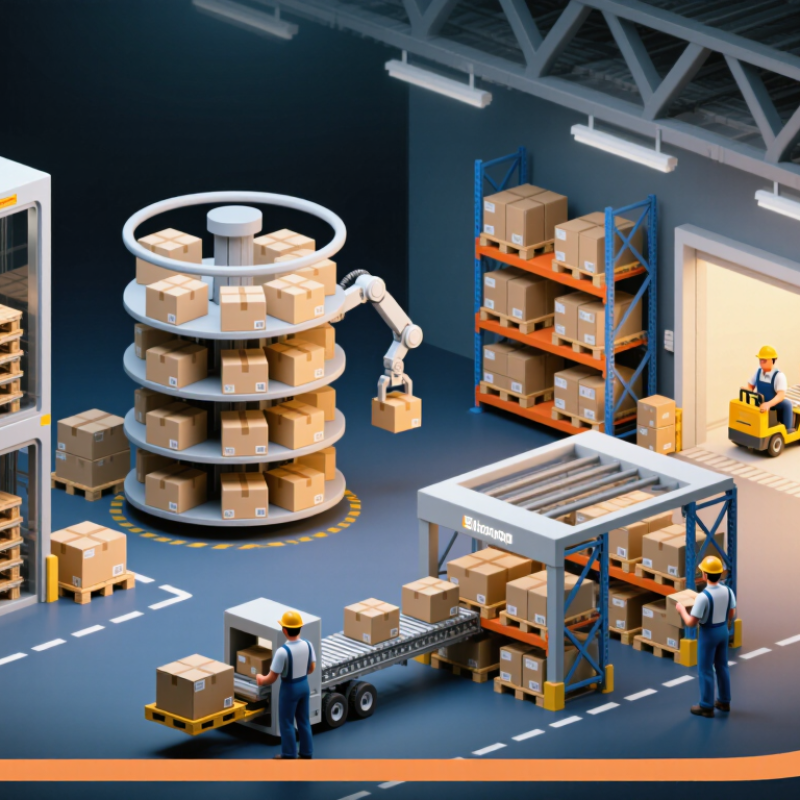
How to Choose the Right Vertical Storage System for Your Business

Assess Inventory, Picking Patterns, and Throughput Requirements

A vertical storage system should fit the inventory you actually hold, not an idealized product mix. Build a SKU profile covering dimensions, weight, demand frequency, and seasonal swings. Note which items need secure handling and which are replenished daily. Small, fast-moving cartons may suit a different storage layout than bulky, slow-moving parts. Measure available ceiling height and floor space, too. A tall system is not automatically a good fit if access, replenishment, or maintenance becomes awkward.

Map how orders are picked before comparing equipment. Track lines picked per hour, order size, travel distance, and peak-period demand. Single-line orders may benefit from rapid item presentation; batch picking can change the required access and sequencing. MHI’s 2024 Annual Industry Report found that 55% of surveyed organizations planned to increase supply-chain technology investment. That signals interest, not proof of savings. Test proposed throughput against real order history, including pauses and replenishment time. The estimate may be optimistic.

Tips: Record pick rates by shift, not just daily averages. Ask operators to test a representative order mix. Check how the system handles the largest item and the busiest hour. Leave room for exceptions; real warehouses rarely follow the spreadsheet perfectly.

Measure Available Space and Review Site Constraints

Measure the usable floor area, ceiling height, and access routes before comparing vertical storage systems. Record dimensions at several points; older buildings may have uneven floors or low beams that a single measurement misses. Include the full operating envelope, not just the unit’s footprint. The equipment may need clearance for installation, maintenance, and safe movement around it. Small details matter.

Walk the proposed location with a tape measure and a simple floor plan. Mark columns, pipes, sprinkler heads, lights, electrical panels, door swings, and nearby workstations. Check whether delivery equipment can reach the site and whether the floor can support the expected loaded weight. Confirm structural capacity with a qualified professional when the load or slab rating is uncertain. It is easy to overlook a doorway or overhead obstruction during an early survey; we have to admit that a neat drawing can hide awkward turns. Note the actual route, including narrow corners and changes in floor level. Then compare the system’s required clearances with these site conditions, and leave room for people to work without blocking exits or routine traffic.

Measure Available Space and Review Site Constraints

This illustrative site survey compares clear floor area, calculated from measured length × width after fixed obstructions. Measure ceiling height, aisle widths, access routes, and obstructions separately before selecting a vertical storage system. Replace these sample figures with your own site measurements.

Compare Vertical Storage System Types and Capacity

Choosing a vertical storage system starts with the inventory profile, not the tallest machine on a showroom floor. A vertical lift module stores trays in an enclosed tower and presents selected trays at an access opening, saving aisle space. It suits varied item sizes, but tray weight limits and opening dimensions constrain capacity. Vertical carousels rotate shelves to an operator and suit many small, frequently accessed items. Their fixed shelf geometry may waste space around bulky stock. Vertical buffer systems store totes or trays and often work well for small parts with frequent picking. Capacity is not just tray count. Measure twice.

Compare usable storage volume, maximum load per tray, and the number of active item locations. Then check ceiling height, tote dimensions, and the space needed for replenishment. Two systems with the same footprint can hold very different inventories because usable height and shelf spacing differ. Ask for capacity calculations based on your actual item mix, including awkward cartons and seasonal peaks. That matters.

A common mismatch is buying for today’s stock while ignoring growth or slow-moving items. Yet planning only for peak volume can leave expensive capacity idle. Record a sample of SKU dimensions and weights, then test a proposed layout against real pick paths. Some assumptions will be wrong; revise them before committing.

Evaluate Safety, Integration, and Total Cost of Ownership

Safety, integration, and lifetime cost deserve equal attention when selecting a vertical storage system. The Bureau of Labor Statistics reported 2.6 million nonfatal workplace injuries and illnesses across private industry in 2023. That is not trivial. A system that brings heavy totes to waist height may reduce awkward reaching, but it does not remove risks from poor training, blocked aisles, or rushed picking. Check load limits, guarding, emergency stops, and operator access during a live demonstration. Ask staff who will use it to test the workflow, not just watch a polished sales presentation.

Integration can be less visible than the machine itself. Confirm how the system exchanges item, quantity, and order data with your warehouse software. Test exceptions, such as a missing tote or a network outage. A fast machine can still create delays if workers must re-enter inventory manually. Small mismatches matter. Request a pilot using real order profiles and peak-hour volumes, then record retrieval time, error rates, and recovery steps.

For total cost of ownership, include installation, software, training, energy, maintenance, downtime, and future capacity changes. NIST Handbook 135 describes life-cycle costing as a way to compare costs across an asset’s useful life, rather than by purchase price alone. I would treat projected payback as an estimate, not a promise; labor savings and order patterns can change. Ask suppliers to show their assumptions, service costs, and parts availability, then compare those figures against your own operating records.

Select a System and Plan Installation and Staff Training

Choosing a vertical storage system starts with the work it must support, not its advertised capacity. List the items stored, their dimensions, weights, and how often staff retrieve them. Measure available floor space, ceiling height, and aisle width. Small details matter. A long carton or frequently handled component can change the best layout. Compare systems by retrieval speed, usable storage space, and compatibility with your inventory process.

Before ordering, have the installation area checked for floor capacity, overhead obstructions, access routes, and nearby equipment. Confirm how deliveries will enter the building and where parts can be staged. Plan installation during a quieter shift, and tell staff which aisles or workstations will be unavailable. Leave room for adjustments; a layout that looks efficient on paper may feel cramped once people are moving through it. A short site review can catch that.

Training should use the actual system and the items employees handle each day. Let staff practice entering a request, retrieving a container, and returning it correctly. Explain safe loading limits and what to do if a tray stops or an item is missing. Keep instructions near the workstation, where they are easy to check. One trial run may reveal an awkward reach or unclear step. Revise the process before normal operations begin.

FAQS

What inventory details should we review before choosing a vertical storage system?

Record each item’s dimensions, weight, demand frequency, and seasonal changes. Note which products need secure handling or daily replenishment. Small, fast-moving cartons may need a different setup from bulky parts.

How can we tell whether the system will fit our building?

Measure ceiling height and floor space, then check operator access, replenishment paths, and maintenance clearance. Taller is not always better. Awkward access can become a daily problem.

What picking information should guide the equipment choice?

Track lines picked per hour, order size, travel distance, and peak demand. Review results by shift, not only as daily averages. Test single-line and batch orders.

How should we test expected throughput?

Use real order history, including pauses and replenishment time. Ask operators to test a representative mix, including the largest item and busiest hour. The spreadsheet may be optimistic.

What safety features and workflow checks matter?

Review load limits, guarding, emergency stops, and operator access during a live demonstration. Have staff try the workflow themselves. A polished presentation proves little.

How can we check whether the system will integrate with warehouse software?

Confirm how item, quantity, and order data move between systems. Test a missing tote and a network outage. Manual re-entry can erase time savings.

What should a pilot measure before a full installation?

Use real order profiles and peak-hour volumes. Record retrieval time, error rates, and recovery steps. Small mismatches matter.

Which costs belong in a total cost estimate?

Include installation, software, training, energy, maintenance, downtime, and future capacity changes. Compare lifetime costs, not just the purchase price. Payback is an estimate, not a promise.

Conclusion

Choosing the right Vertical Storage system starts with understanding what your business stores, how often items are picked, and how quickly orders need to move. Review inventory dimensions, weights, turnover rates, and picking patterns to determine the capacity and access speed required. Then measure the available floor and ceiling space, while accounting for structural limits, aisles, utilities, and other site conditions that may affect installation.

Compare system types based on storage density, load capacity, and suitability for your workflow. Consider safety features, compatibility with existing inventory or warehouse software, maintenance needs, and total cost of ownership—not just the initial purchase price. Once a suitable option is selected, plan the installation around day-to-day operations and provide practical staff training. A careful evaluation helps ensure the system fits the facility, supports efficient picking, and remains useful as business needs change.

Sophia

Sophia

Sophia is a dedicated marketing professional with an exceptional depth of knowledge about her company's products and services. With a keen understanding of market trends and customer needs, she crafts insightful blog posts that not only inform but also engage readers, enriching the company’s online......