In 2026, choosing the right Modular Storage solutions will be crucial. As our spaces evolve, so do our storage needs. Modular systems offer flexibility and versatility. They can adapt to various layouts and styles, making them ideal for modern homes and offices.
Consider the variety of materials. Wood, metal, and plastic each provide unique benefits. Wood offers warmth and elegance. Metal brings durability and a sleek look. Plastic is lightweight and highly customizable. Finding the right material is essential for both functionality and aesthetic appeal.
However, the decision process is not always straightforward. It requires thoughtful planning and reflection. What works for one space might not be effective in another. Be prepared to evaluate your specific needs and preferences. In a world full of choices, the right Modular Storage solution should enhance, rather than overwhelm.
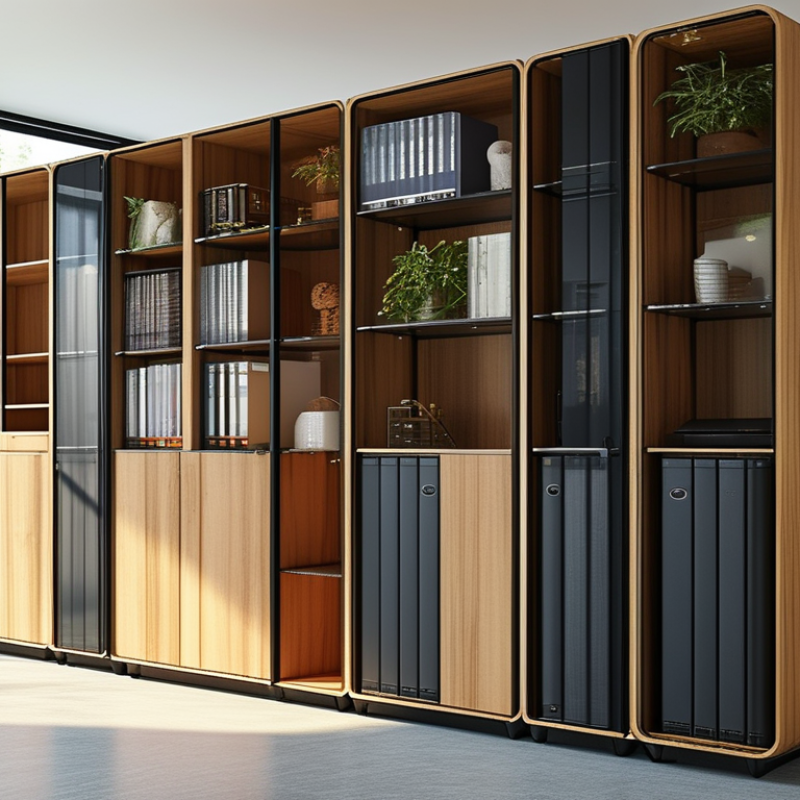
Modular storage solutions have gained popularity in recent years. They offer flexibility and adaptability, making them ideal for various environments. The core idea is simple: units can be added, removed, or reconfigured to meet changing needs. This approach provides both practicality and creativity, allowing users to customize their spaces.
Understanding the basics is essential before selecting a modular storage system. Consider your specific requirements, such as size, style, and functionality. Modular systems should align with your lifestyle and habits. For instance, do you need a combination of closed and open storage? Reflect on the current layout of your space. Evaluate if the units will fit seamlessly within your intended design.
Not all modular systems are created equal. Some may not offer the durability needed for heavier items. Hence, researching materials is crucial. High-quality options ensure longevity, but they might come at a higher price. It's important to weigh the benefits against your budget. Additionally, think about how often you'll want to change the configuration. Some solutions require tools for adjustments, while others allow quick changes. This can significantly impact your overall satisfaction.
When considering modular storage solutions, it’s crucial to assess your specific needs. Analyze what items require storage. Keep in mind the various sizes and categories of these items. Are they large pieces, like furniture, or smaller items, like books or tools? Each category presents unique challenges. Measure these items to understand their volume and dimensions.
Next, examine your space limitations. Consider the physical characteristics of your space. Do you have a small room or a spacious garage? Identify corners, underutilized areas, or vertical storage options. Visualizing your space can help in planning. Are there areas that require shelving, or is a box-based system better?
A common mistake is not planning for future needs. Reflect on how your storage solutions might evolve. Will your storage needs change over time? It's okay to start small. Adaptability can lead to better long-term satisfaction. A flexible strategy helps accommodate future purchases or lifestyle changes. Remember that not every solution will fit your space perfectly. Embrace the imperfections and adjust as needed.
When evaluating modular storage systems for 2026, it's essential to consider the variety of options available. According to a recent industry report by Smith and Associates, the modular storage market is projected to grow by 8% annually. This growth highlights the increasing demand for flexible and agile storage solutions.
Different types of modular systems cater to specific needs. For instance, shelving units are popular in retail and warehouses. They offer easy access and adaptability. On the other hand, drawer systems are suitable for offices, providing organized and secured storage. The choice between these options should factor in space, style, and purpose.
Integration capabilities are critical in today's tech-driven world. Many modular systems now include smart storage solutions. These can be controlled via apps and provide inventory tracking. However, not all tech-enabled systems are user-friendly. Feedback often points to complexity as a hurdle for effective use. Companies may find themselves grappling with underutilized features. Hence, careful consideration is necessary to ensure the selected system aligns with operational needs.
When choosing modular storage solutions, material quality is crucial. Durable materials withstand wear and tear. For instance, consider options like high-density polyethylene or plywood. These materials resist moisture and offer solid support for heavy items. Metal frames also provide strength, but they can rust if not coated properly. Analyzing these factors ensures your investment lasts longer.
Design is equally important. A well-designed storage solution maximizes space effectively. Look for features like adjustable shelves and stackable bins. These elements enhance versatility, adapting to your changing needs. Consider whether the design complements your existing decor. However, remember that aesthetic appeal should not compromise functionality. It’s essential to strike a balance between style and usability.
Although modular options often promise convenience, some aspects may require reflection. For example, complex setups can lead to frustration. It may take longer to organize items than anticipated. Ensuring ease of assembly should be a priority. Investing in a solution that matches your lifestyle is key. Think about your daily routines to find the perfect fit.
Budgeting for modular storage requires careful consideration of both cost and value. Assessing your needs is essential. Start by evaluating the space you have. Measure dimensions to determine what will fit best. While cheaper options may seem appealing, they may lack durability. Investing slightly more can yield reliable solutions that withstand wear.
Think about the long-term benefits. Modular storage allows for flexibility and adaptability over time. It's not just about upfront costs. The longevity of materials matters. Find a balance between budget and quality. Often, perceived savings can lead to higher expenses later. Rethink short-term decisions; they can impact future budgets.
Consider the purpose of your storage. Are you organizing tools, clothing, or office supplies? Different uses may require distinct features. Focus on functionality. Reflect on past purchases and their effectiveness. Learning from experience can guide better choices in 2026. Aim for value, not just savings.
: Modular storage solutions are flexible systems that can be added, removed, or reconfigured. They adapt to changing needs.
Assess what items you need to store. Measure their dimensions to understand the space they will occupy.
Consider size, style, and functionality. Ensure the system suits your lifestyle and available space.
No, durability varies. Some systems may not support heavier items. Research materials to ensure longevity.
Identify underutilized areas or corners. Consider vertical options for maximizing your available space.
Don't overlook future storage needs. Plan for adaptability to accommodate changes in lifestyle or purchases.
They serve different purposes. Shelving units are great for easy access, while drawers provide organized, secure storage.
No, not all do. Some smart systems can be complex and underutilized. Evaluate if they meet your needs.
Yes, starting small is okay. Flexibility helps in adapting to evolving storage needs over time.
Embrace imperfections. Adjust your setup as needed to enhance functionality and satisfaction.
When considering modular storage solutions for 2026, it's essential to understand the basics of these versatile systems. Start by identifying your specific storage needs and the limitations of your available space, as this will inform your choice of system. There are various types of modular storage available, each designed to cater to different requirements and environments.
Once you've narrowed down your options, evaluate the quality of materials and design to ensure durability and longevity. It's also crucial to budget thoughtfully, weighing the cost against the value that modular storage solutions provide. By carefully considering these factors, you can make an informed decision that maximizes efficiency and organization in your space.

Guanlong Rack