In today's competitive business landscape, robust Storage Systems are essential. According to a report by the Warehousing Education and Research Council, effective storage solutions can increase operational efficiency by up to 30%. Many businesses overlook this aspect, leading to wasted space and resources.
Moreover, inefficient storage can adversely affect workflow and employee productivity. A survey conducted by the American Production and Inventory Control Society revealed that poor storage organization contributes to a 25% loss in productivity. Companies should prioritize an assessment of their storage needs. Customized solutions can dramatically enhance performance.
While embracing new technologies is essential, some businesses still rely on outdated systems. This can hinder growth and complicate processes. Understanding the unique requirements of your operation is vital. The right Storage Systems not only optimize efficiency but can also drive costs down effectively. Investing in modern and adaptable storage can yield substantial returns.
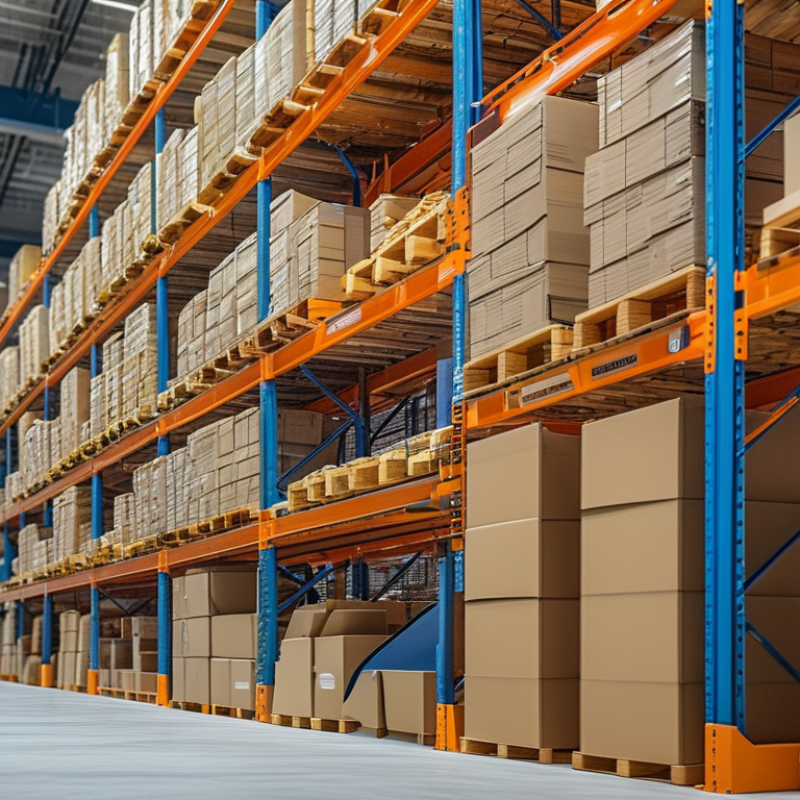
When it comes to storage systems, several key factors play a crucial role in determining their efficiency. One significant aspect is the layout of the storage area. A well-organized space enhances accessibility and reduces time lost in searching for items. Poor layout can frustrate employees, impacting their productivity. Businesses should assess their current setups regularly to identify potential improvements.
Another factor is the technology integrated into the storage solution. Modern systems leverage automation and data analytics to optimize storage usage. These technologies can provide real-time insights into inventory levels. However, not all businesses are fully utilizing technological advancements. A lack of training can lead to underperformance. Employees must be equipped with the skills to harness these tools effectively.
Lastly, ongoing maintenance can significantly influence efficiency. Regular checks can prevent system failures that disrupt operations. Yet, many businesses neglect this aspect. Ignoring maintenance often results in larger issues down the line. Reflecting on these factors can help companies understand their storage challenges better. Evaluating these elements may pave the way for enhanced efficiency.
| Storage System Type | Capacity (Cubic Feet) | Flexibility (1-5) | Cost Efficiency ($/Cubic Foot) | Ease of Access (1-5) |
|---|---|---|---|---|
| Mobile Shelving | 2000 | 4 | 1.50 | 4 |
| Cantilever Racking | 1500 | 3 | 2.00 | 3 |
| Pallet Racking | 2500 | 5 | 1.25 | 5 |
| Bin Storage | 800 | 4 | 1.75 | 4 |
| Vertical Carousels | 1200 | 2 | 2.50 | 5 |
: Key factors include layout, technology, and maintenance. Each plays a crucial role in optimizing efficiency.
A well-organized layout enhances accessibility and minimizes search time. Poor layouts can frustrate employees.
Technology allows automation and data analysis, improving storage usage. Many businesses do not fully utilize these tools.
Proper training equips employees to use technology effectively. Without it, businesses may face underperformance issues.
Regular maintenance prevents failures that disrupt operations. Neglecting this can lead to bigger problems in the future.
Use vertical space, conduct regular audits, and group similar items for improved efficiency and reduced search time.
Group similar items together to reduce confusion and improve productivity. Proper stacking and labeling is essential.
Reflecting helps identify challenges and potential improvements. It can lead to enhanced efficiency in operations.
A disorganized space leads to wasted time and resources. Critical thinking on space can drive better workflows.
Regular reviews are essential. They help adapt to changing inventory needs and optimize space utilization.
In today's competitive business environment, the efficiency of Storage Systems plays a crucial role in operational success. Key factors influencing their effectiveness include layout design, accessibility, and adaptability to changing inventory needs. A comparative analysis of various Storage Systems highlights the importance of balancing costs with benefits, providing businesses with insights for making informed investments.
Technological advancements have revolutionized modern storage solutions, as demonstrated through various case studies that illustrate successful implementations. Best practices for optimizing storage space utilization within warehouses focus on maximizing capacity while maintaining order and ease of access. Moreover, integrating inventory management with Storage Systems is essential for boosting productivity and ensuring real-time tracking, enabling businesses to improve efficiency and responsiveness to market demands.

 Guanlong Rack