How to Choose the Best Bulk Storage Solutions for Your Needs?

Time:2026-07-26 Author:Charlotte
0%

Choosing the right Bulk Storage solutions is crucial for businesses managing large quantities of goods. According to a report from the Warehousing Innovation Institute, effective bulk storage can reduce material handling costs by up to 30%. John Smith, a leading expert in supply chain logistics, emphasizes, "The right storage solution can transform your operational efficiency."

Understanding your specific needs is vital. Whether it’s for raw materials or finished goods, the challenges vary greatly. Many fail to consider factors like space optimization and accessibility, leading to wasted resources. A thorough assessment of your inventory strategy can reveal hidden inefficiencies.

Ultimately, selecting an appropriate Bulk Storage system is not just about space; it’s about enhancing your workflow. As you navigate this complex landscape, remember that the right choices today can lead to significant savings tomorrow.
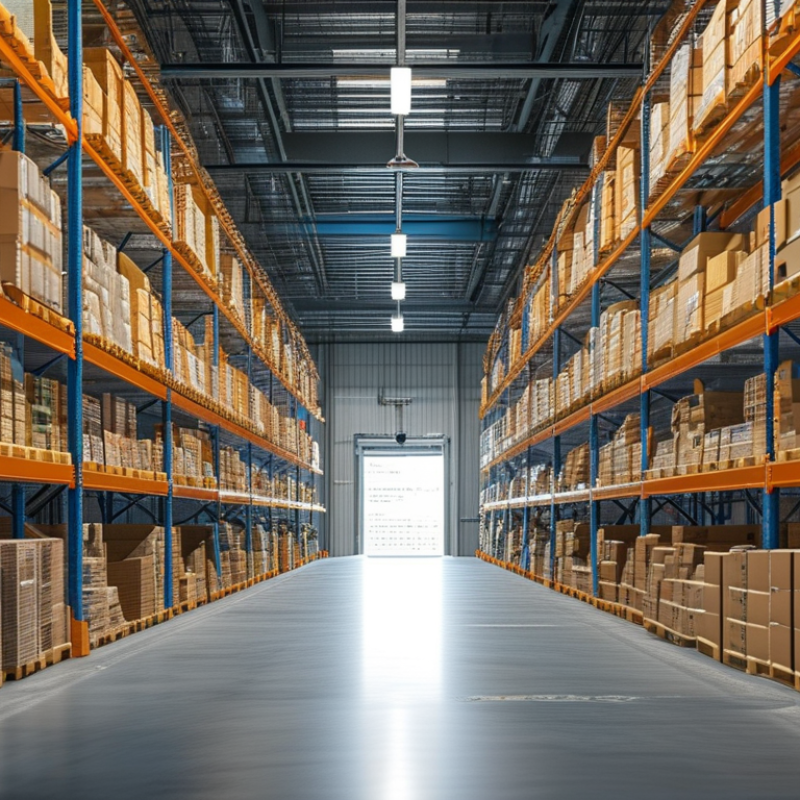
How to Choose the Best Bulk Storage Solutions for Your Needs?

Understanding Your Bulk Storage Requirements

Understanding your bulk storage requirements is crucial in selecting the right solution. Start by evaluating the types of materials you need to store. Different materials have unique properties that influence storage decisions. For instance, liquids may require tanks with specific sealing capabilities, while granules could need bins that prevent contamination.

Next, consider the space you have available. Efficient use of space can reduce costs and improve accessibility. Measure height, width, and depth to ensure your chosen storage units fit seamlessly. Think about flow. How often do you access these materials? Design systems that streamline retrieval to avoid bottlenecks.

Lastly, reflect on how your needs may change over time. Flexibility in storage solutions ensures you won’t be trapped with ineffective systems. Investing in adjustable shelving or modular units can adapt to future needs. This approach may require initial effort, but it promotes long-term efficiency. Always remember, a poorly chosen system may lead to wasted resources and increased frustration. Assess your requirements thoroughly to avoid such pitfalls.

Evaluating Different Types of Bulk Storage Solutions

When evaluating bulk storage solutions, several factors come into play. The type of materials, the volume of storage needed, and space constraints are critical. According to a report by the Material Handling Industry of America, efficient bulk storage can improve operational productivity by up to 30%. This highlights the importance of choosing the right solution for your specific needs.

One popular option is pallet racking systems, which can handle various materials effectively. An ASHRAE study indicates that proper air circulation in bulk storage areas can reduce spoilage. However, flaws in design can lead to overcrowding. It is essential to assess the maximum capacity to avoid safety hazards.

Another option is silos, ideal for grain or powdery substances. They can minimize wastage but may require significant investment in maintenance. According to the Food and Agricultural Organization, poorly maintained silos can lead to losses of about 20% of stored goods. This raises the need for routine inspections and preventive maintenance schedules. Each solution has its pros and cons, making it vital to evaluate these aspects carefully before deciding.

Bulk Storage Solutions Evaluation

This chart illustrates the capacity of different bulk storage solutions in cubic meters, helping you to evaluate which option may best meet your storage needs.

Assessing Available Space for Storage Installation

When assessing available space for bulk storage installation, it's crucial to evaluate both dimensions and layout. Research indicates that 30% of warehouse space is often underutilized. Identifying potential areas for growth can enhance efficiency. For instance, vertical storage options may optimize height, allowing for more inventory without expanding the footprint.

Consider the flow of movement within the space. Effective aisle width can increase accessibility. Aisles need to be wide enough for equipment but not so wide that they waste space. The ideal width is often around 8 to 12 feet, which accommodates both forklift and pedestrian traffic. Data from industry studies shows that well-planned layouts can reduce picking time by about 20%, which translates to cost savings and improved service.

However, it’s important to reflect on specific challenges. Not all spaces are ideal. High ceilings may seem advantageous, but if not utilized properly, they can become a liability. Inventory management systems must be adaptable. The decision on how to best use space can have long-term consequences. Poorly analyzed storage needs could lead to expensive adjustments down the line. Evaluate each area realistically to ensure optimal usage.

Comparing Costs and Budget Considerations for Storage

When it comes to bulk storage solutions, budget considerations play a vital role. According to a report by the Self Storage Association, facility operating expenses can vary widely. On average, it can cost $2 to $10 per square foot annually to maintain a storage unit. Therefore, a clear understanding of your needs is crucial.

To optimize costs, evaluate the pricing models of different storage options. Some facilities offer flat-rate pricing, while others use tiered methods based on usage. Flexibility in storing inventory can help minimize expenses during slower seasons. A recent survey by IBISWorld highlights that efficient inventory turnover can reduce storage costs by as much as 20%.

Tips: Consider negotiating bulk deals when renting multiple spaces. This can lead to significant savings. Always compare the total costs: setup fees, monthly rates, and any additional charges.

Choosing the right storage solution involves more than just price. Accessibility and security must factor into your decision. Reports indicate that facilities with advanced security features might charge a premium. Despite higher upfront costs, investing in more secure options may prevent losses in the long run.

Selecting the Right Vendor for Bulk Storage Solutions

Selecting the right vendor for bulk storage solutions requires careful consideration. Start by evaluating the vendor’s experience. A company with a solid track record in the industry is more likely to understand your needs. Look for vendors who have worked with similar businesses. Their understanding of specific challenges can be beneficial.

Examine the range of services offered. Do they provide customization options? Flexibility is important as your storage needs may change over time. Check if the vendor uses quality materials. This ensures durability and safety for stored items. Certifications can indicate a commitment to quality.

Customer reviews can provide insight into reliability. Look for feedback on service responsiveness. A vendor's ability to address issues quickly can save you time and money. Consider their support options too. Are they available for consultations? Clear communication is key when discussing requirements. Take your time to research. Making a rushed decision may result in dissatisfaction later.

How to Choose the Best Bulk Storage Solutions for Your Needs?

Dimension Example Solutions Cost Range Preferred Industries
Capacity Tanks, Silos $5,000 - $50,000 Food, Chemicals
Material Steel, Plastic $3,000 - $30,000 Pharmaceuticals, Oil
Durability Heavy-Duty Containers $10,000 - $80,000 Construction, Mining
Accessibility Modular Storage Systems $15,000 - $60,000 Retail, Logistics
Customization Bespoke Storage Solutions $20,000 - $100,000 Aerospace, Electronics

FAQS

: What should I consider when assessing bulk storage requirements?

: Evaluate material types, space availability, and future needs to choose an effective storage solution.

How can space impact bulk storage choices?

Efficient space use can lower costs and improve accessibility for materials. Measure dimensions carefully for a good fit.

What is the importance of flow in bulk storage?

Consider how often you access materials. A well-designed system avoids retrieval bottlenecks and enhances productivity.

Why is flexibility in storage solutions essential?

Future needs may vary. Adjustable shelving or modular units can adapt, preventing wasted resources and frustration.

What factors should I evaluate in storage solutions?

Assess material types, required volume, space limitations, and design flaws that could overwhelm storage capacity.

How can vendor selection affect bulk storage?

A vendor's experience and custom options can greatly impact storage effectiveness. Thorough research is crucial to avoid poor choices.

What maintenance considerations should I remember for storage solutions?

Regular inspections can prevent significant losses, especially in systems like silos that require maintenance to avoid spoilage.

How do customer reviews help in vendor selection?

Feedback can inform you about service reliability and responsiveness, which is vital for ongoing support and efficiency.

Is customization important in bulk storage solutions?

Yes, as storage needs may change over time, having options for customization is essential for long-term effectiveness.

What are the risks of choosing the wrong storage system?

A poorly chosen system can lead to resource waste, safety hazards, and increased operational frustration.

Conclusion

When choosing the best bulk storage solutions, the first step is to understand your specific storage requirements, including the type of materials you need to store and their volume. It’s essential to evaluate different types of bulk storage solutions, such as silos, tanks, and bins, to find the most suitable option for your needs.

Next, assessing the available space for installation is crucial, ensuring that you can maximize the efficiency of your storage system. Additionally, comparing costs and budgeting for long-term expenses will help you make a financially sound decision. Finally, selecting the right vendor who specializes in bulk storage solutions is vital to ensure that you receive quality products and support tailored to your needs. By following these steps, you can effectively choose a bulk storage solution that meets both your operational and financial objectives.

Charlotte

Charlotte

Charlotte is a seasoned marketing professional with a deep understanding of the company's portfolio and a passion for elevating its presence in the market. With a keen eye for detail and a commitment to excellence, she ensures that our professional blog is regularly updated with insightful articles......