In today's rapidly evolving world, the demand for efficient storage solutions is paramount. Experts agree that "High-density Storage" can revolutionize how businesses manage their assets. Dr. Emily Chen, a renowned expert in logistics, once stated, “Maximizing storage efficiency is key to modern warehousing.” This insight speaks volumes in a landscape challenging traditional norms.
As global buyers seek innovative solutions, the flexibility of high-density storage becomes crucial. Facilities can optimize their use of space significantly. Imagine a warehouse where every square foot counts, reducing waste and costs. However, not all high-density systems are created equal. Buyers must consider factors such as accessibility and safety. This complexity can lead to tough choices.
High-density storage is not just about cramming more items into less space. It's about creating a balance between efficiency and usability. The industry faces ongoing challenges, including technology integration and changing consumer expectations. Reflecting on these issues can guide informed decisions for future storage strategies.
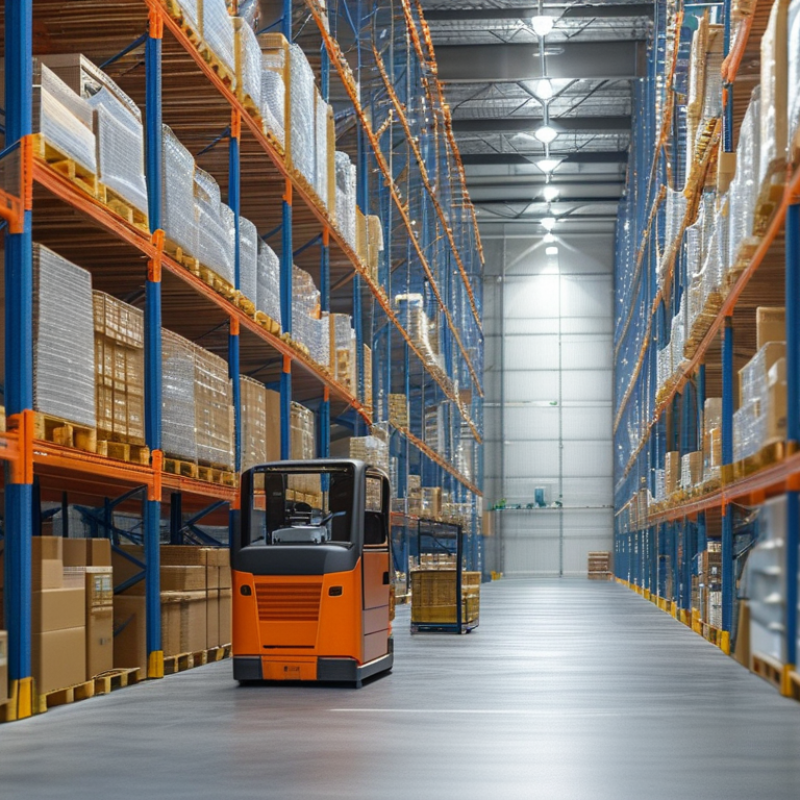
Overview of High Density Storage Solutions in 2026
As we delve into 2026, the landscape of high-density storage solutions has evolved significantly. The need for efficient storage is paramount across various industries, driven by the exponential increase in data. According to a recent report by the International Data Corporation (IDC), global data creation is projected to reach 175 zettabytes by 2025. This surge necessitates innovative storage solutions that maximize space while maintaining accessibility and security.
Recent advancements in data center technology highlight the importance of modular design. Modular systems allow for scalable storage solutions, easily adjusting to growing data needs. Research from MarketsandMarkets indicates that the modular data center market will grow at a compound annual growth rate (CAGR) of 25% from 2021 to 2026. Organizations adopting these solutions can expect lower operational costs and enhanced energy efficiency. However, some businesses struggle with implementing these systems effectively, often due to a lack of expertise or resources.
Moreover, sustainability remains a crucial focus. High-density storage solutions must address environmental concerns. The Global Data Center Sustainability report emphasizes that data centers currently consume about 1% of global electricity. This imbalance raises questions about future sustainability. Companies are encouraged to adopt greener technologies. They face challenges in benchmarking their practices against industry leaders. The path to efficient, sustainable high-density storage is fraught with complexities, yet the need for compromise is evident.
Key Features of Effective High Density Storage Systems
High-density storage solutions are essential for businesses seeking efficiency. Effective systems optimize space and resources. According to the Storage Networking Industry Association (SNIA), organizations can increase storage capacity by over 50% through high-density designs. These systems can dramatically reduce operational costs.
Key features of high-density storage solutions include modularity and scalability. Businesses require systems that adapt to changing storage needs. Modular units allow easy expansion without major overhauls. Additionally, energy efficiency is crucial. The U.S. Department of Energy reported that efficient storage solutions can reduce power consumption by up to 30%. It's an important factor for many companies aiming to lower their carbon footprint.
While many solutions exist, not all guarantee reliability. Some may struggle to meet performance needs during peak times. Users must evaluate potential bottlenecks in high-density systems. Regular audits and assessments are essential. This ensures systems function as intended and support future growth. Balancing efficiency with reliability remains a challenge in this evolving landscape.
Comparative Analysis of Global High Density Storage Providers
In the rapidly evolving world of high-density storage solutions, organizations face unique challenges. The increasing demand for data storage is evident. According to industry reports, global data consumption is expected to reach 175 zettabytes by 2025. This growth places pressure on storage providers to innovate and improve efficiency.
The comparative analysis of global high-density storage providers reveals varying levels of expertise and technology. Key metrics include scalability, cost efficiency, and energy consumption. A study published by the International Data Corporation highlights that energy-efficient storage systems can reduce operating costs by up to 30%. However, the implementation of these systems is not always straightforward. Organizations may struggle with integration and technical support.
Data security remains a critical factor in evaluating storage solutions. Despite advancements, breaches and data loss continue to pose significant risks. Research indicates that 43% of companies suffer data breaches due to inadequate storage security measures. This highlights the need for thorough vetting of storage providers. Users must consider the trade-offs between price, performance, and security to find solutions that truly meet their needs.
2026 Best High Density Storage Solutions for Global Buyers
| Storage Provider |
Storage Type |
Max Density (TB/sq ft) |
Scalability |
User Rating (out of 5) |
Price Range ($/unit) |
| Provider A |
Vertical Storage |
45 |
High |
4.8 |
5000 - 7000 |
| Provider B |
Mobile Shelving |
30 |
Medium |
4.5 |
2500 - 4000 |
| Provider C |
Static Racking |
25 |
Low |
4.0 |
1500 - 2500 |
| Provider D |
Pallet Racking |
40 |
High |
4.7 |
3000 - 4500 |
| Provider E |
Automated Storage |
50 |
Very High |
4.9 |
8000 - 10000 |
Innovative Technologies Transforming High Density Storage Solutions
Innovative technologies are rapidly changing the landscape of high-density storage solutions. These advancements are driven by the need for efficient space management in industries ranging from healthcare to manufacturing. Implementing automated systems can greatly enhance storage capacity while ensuring easy access to essential items. Moreover, technologies such as modular shelving and smart tracking systems have become integral. They increase flexibility and adaptability in changing environments.
When considering high-density storage, examining the layout is crucial. An optimized design ensures that every inch of space is utilized effectively. Rethink your current storage configurations and consider incorporating vertical storage options. Proper organization can enhance workflow efficiency. While investing in new technology is beneficial, ensure compatibility with existing systems. Poor integration can lead to wasted resources and frustration.
Training staff is also vital. With new technologies, employees must adapt to new workflows. Regular training sessions can help minimize errors and improve overall operations. Additionally, seek feedback on the effectiveness of these changes. Reflecting on staff experiences can lead to continuous improvement in storage solutions. Embracing innovation is essential, but doing so mindfully can yield the best results.
2026 High Density Storage Solutions Comparison
Market Trends Influencing High Density Storage in 2026
The high-density storage market is evolving rapidly. As we approach 2026, various trends are shaping this industry. Increased urbanization drives the need for efficient storage solutions. Space in urban areas is limited, making effective storage crucial for businesses and individuals alike.
Sustainability also plays a significant role. More companies are adopting eco-friendly materials and innovative designs. These solutions reduce environmental impact while enhancing storage capacity. Alongside sustainability, technological advancements are crucial. Automation and smart systems are becoming popular, improving efficiency and security. However, the integration of these technologies poses challenges. Many users face a learning curve, requiring proper training and support.
Finally, global economic shifts influence purchasing decisions. As businesses adapt to new economic conditions, they prioritize cost-effective storage solutions. However, the quest for cheaper options can lead to compromises in quality or reliability. Buyers need to carefully assess their storage needs to avoid common pitfalls. Balancing cost, efficiency, and sustainability remains a critical focus for the future of high-density storage.
Conclusion
The article "2026 Best High Density Storage Solutions for Global Buyers" provides a comprehensive overview of the evolving landscape of high-density storage solutions. It highlights key features that make effective high-density storage systems, such as space optimization, scalability, and enhanced accessibility. The comparative analysis of various global providers showcases the advancements and competitive strategies that are shaping the market.
Innovative technologies are playing a pivotal role in transforming high-density storage solutions, with trends like automation, IoT integration, and smart analytics being particularly influential. The article also explores market trends that are set to impact high-density storage in 2026, emphasizing the growing demand for efficient and sustainable storage solutions that meet the needs of modern businesses.

 Guanlong Rack